Barcelona, Spain, May 19, 2026
- Gartner client? Log in for personalized search results.
Gartner Supply Chain Symposium/Xpo 2026 Barcelona: Day 2 Highlights
Overview
We are bringing you news and highlights from the Gartner Supply Chain Symposium/Xpo, taking place this week in Barcelona, Spain. Below is a collection of the key announcements and insights coming out of the conference.
On Day 2 from the conference, we are highlighting sessions on CEO concerns for 2026, AI and autonomous planning, and agentic AI in procurement. Be sure to check this page throughout the day for updates.
Key Announcements
Signature Series: CEO Concerns for 2026
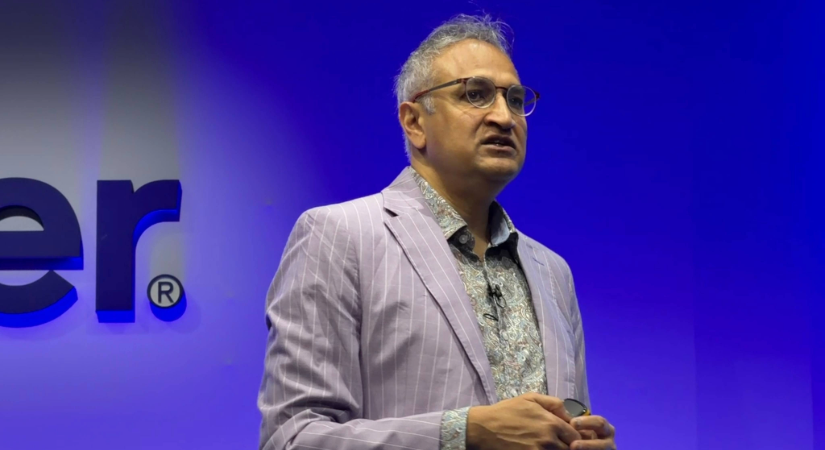
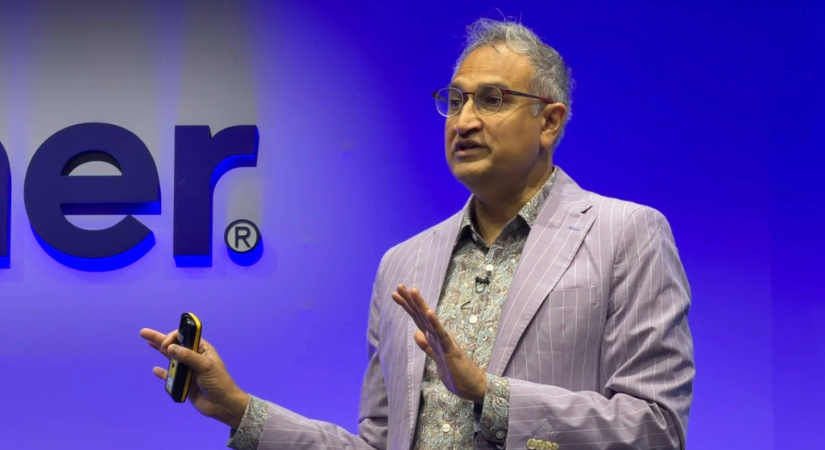
Presented by Atul Dighe, VP Analyst, Gartner
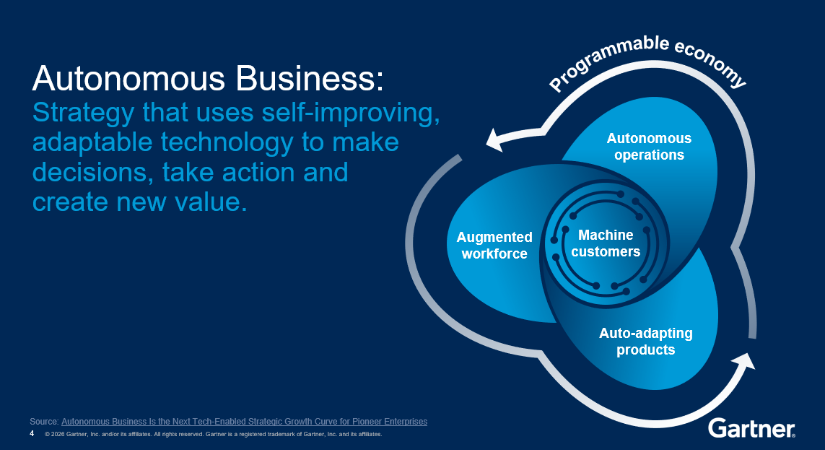
As CEOs pursue growth, margin improvement and AI-led transformation, they are contending with an environment defined by geopolitical disruption and weak organizational trust. In this session, Atul Dighe, VP Analyst at Gartner, shared the latest insights from the annual Gartner Global CEO survey, highlighting the agenda shifts CSCOs should anticipate, and how they can enable supply-chain-driven business success.
Key Takeaways
“CEOs remain focused on growth and technology, but many lack strategic clarity as uncertainty, institutional lag, and uneven AI payback complicate decision making.”
“Geopolitics has surged as a CEO concern, rising to a top-three business priority.”
“CEOs are actively rebalancing their geographic footprints, with 76% entering or expanding markets and 40% reducing or exiting markets to pursue growth, resilience and diversification.”
“CSCOs can help most by influencing the C-suite with stronger storytelling, applying a value lens to current activities, and leading return-on-the-future initiatives tied to business and financial outcomes."
Journalists can receive additional information and/or request an interview with Atul Dighe by contacting Justin Lavelle at justin.lavelle@gartner.com.
Who Needs Humans? How AI and Advanced Analytics Are Empowering Autonomous Planning
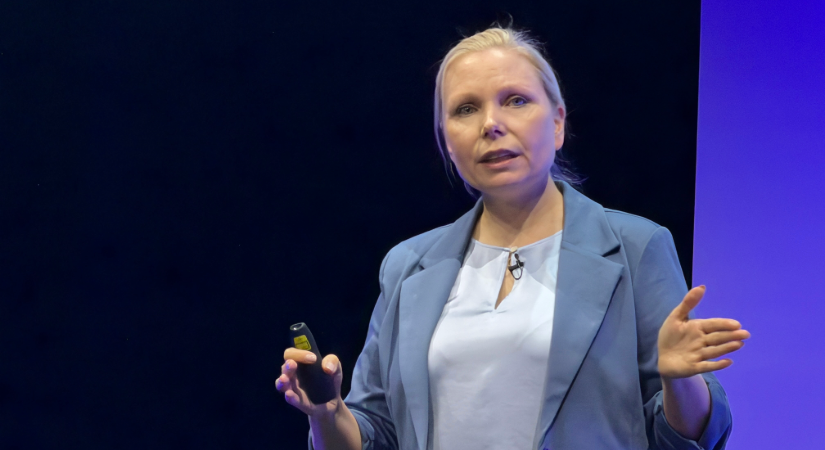
Presented by Pia Orup Lund, Senior Director Analyst, Gartner
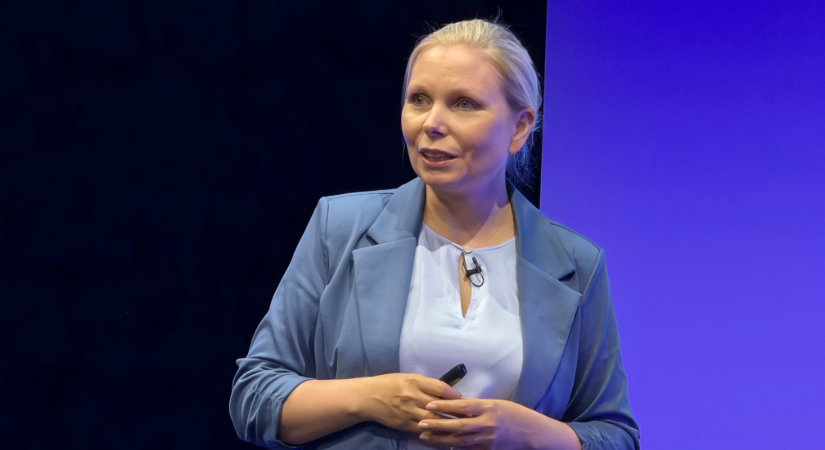
As supply chain organizations increase investment in AI and automation, success depends on understanding where autonomous planning can create value, and where human expertise remains essential. In this session, Pia Orup Lund, Senior Director Analyst, Gartner, explained how AI and advanced analytics can automate simple planning decisions while shifting planners toward strategic oversight.
Key Takeaways
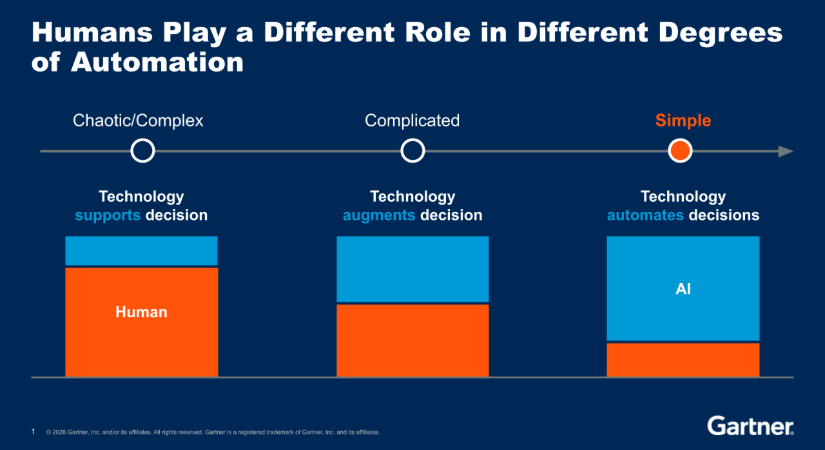
- “Supply chain leaders should treat autonomous planning as a decision strategy, not a technology rollout, by mapping where AI should support, augment or automate planning decisions.”
- “Gartner predicts that by 2030, only 5% of organizations implementing planning automation will make 10% of their planning decisions autonomously.”
- “By 2029, 60% of supply chain planner roles will shift from operational execution to strategic oversight as autonomous planning systems manage routine decision making.”
- “Only simple, explainable and accepted planning decisions are suited for autonomy; complex configuration and complicated optimization decisions still require human judgment, governance and strategic context.”
Journalists can receive additional information and/or request an interview with Pia Orup Lund by contacting Justin Lavelle at justin.lavelle@gartner.com.
Agentic AI in Procurement: Separating Hype From Reality
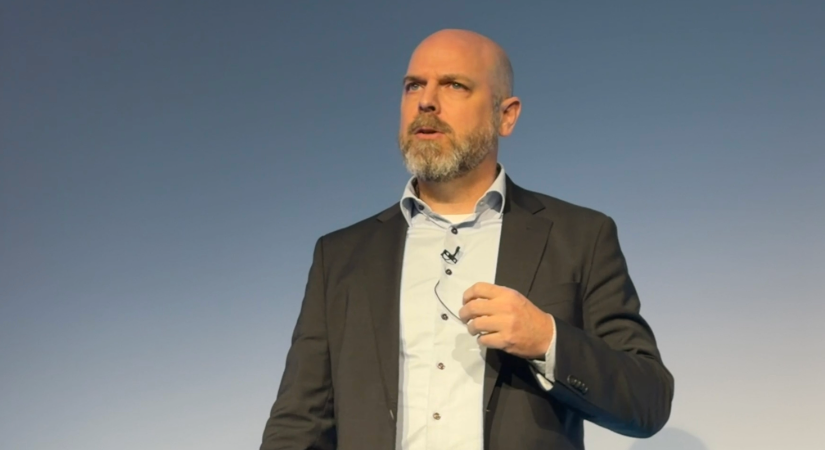
Presented by Magnus Bergfors, Senior Director Analyst, Gartner
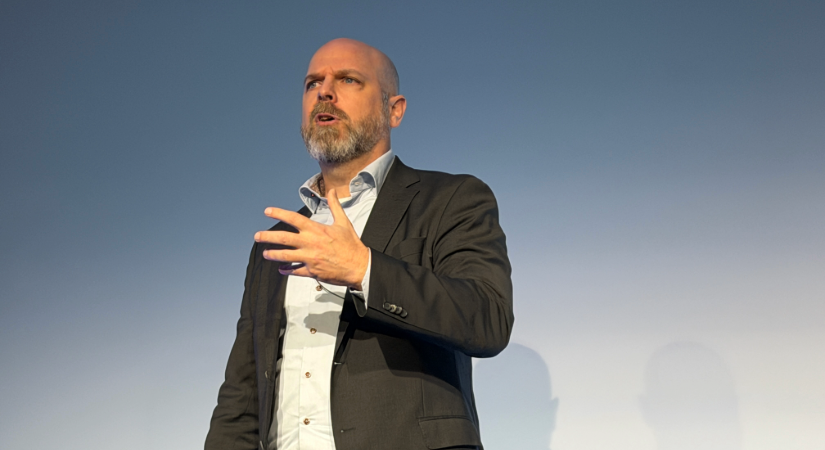
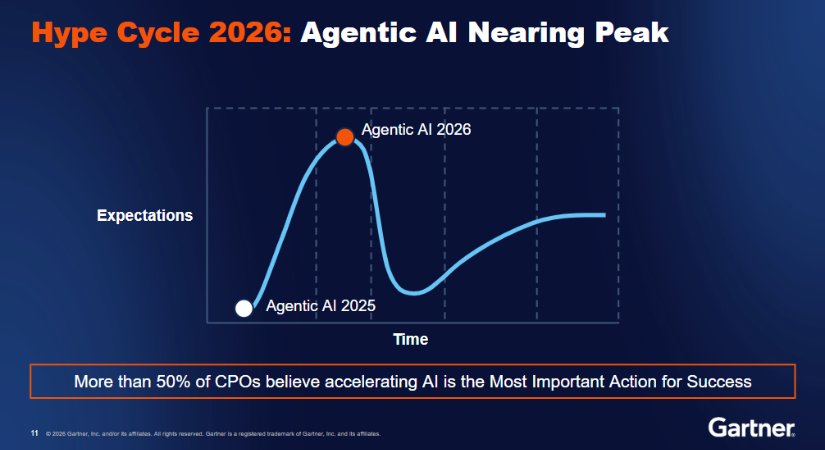
As agentic AI captures outsized attention, procurement leaders need a clearer view of what is hype and what is real. In this session, Magnus Bergfors, Senior Director Analyst, Gartner, shared how procurement teams can prepare to use agentic AI to drive greater strategic impact.
Key Takeaways
“AI agents and agentic AI are not the same: agents can perform bounded tasks autonomously or semi-autonomously, while agentic AI uses compound, multiagent systems to automate broader workflows and pursue goals across processes.”
“There is a major disconnect between what people think agentic AI can do, what it can reliably do, and what vendor demos currently show, which is why only a small minority of procurement functions are actively pursuing it today.”
“The most practical near-term opportunities are in targeted sourcing and procurement use cases, while longer-term value will depend on stronger data quality, clearer methods for measuring returns, and preparing for impacts to the workforce.”
“To compete and win, procurement leaders should:
Press vendors for clear agent roadmaps
Prioritize use cases based on business need rather than hype
Guard against agent-washing
Prepare the organization to scale AI beyond pilots”
Journalists can receive additional information and/or request an interview with Magnus Bergfors by contacting Justin Lavelle at justin.lavelle@gartner.com.
That's a wrap on Day 2. Tune back in tomorrow for more updates from the conference.


About Gartner
Gartner (NYSE: IT) delivers actionable, objective business and technology insights that drive smarter decisions and stronger performance on an organization’s mission-critical priorities. To learn more, visit gartner.com.