Barcelona, Spain, November 11, 2026
Selecting AI Agent Orchestration Technologies for Multiagent Systems
December 16 2026
Barcelona, Spain, November 11, 2026
It’s not too late to join the conference
Overview
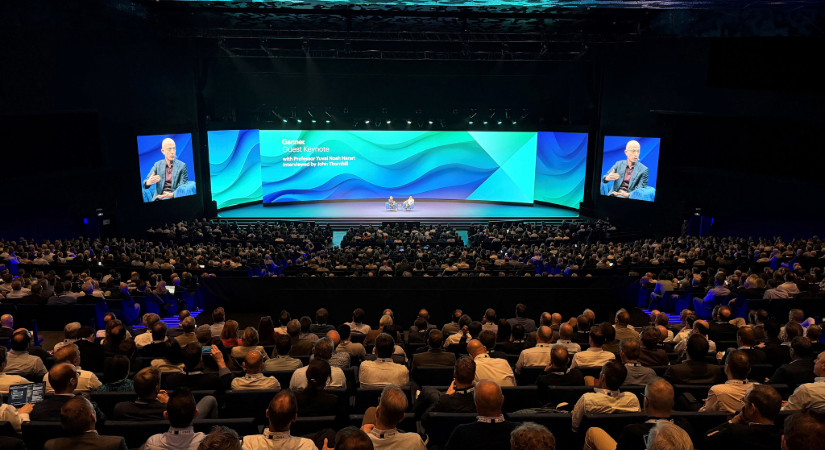
We are bringing you news and highlights from Gartner IT Symposium/Xpo, taking place this week in Barcelona, Spain. Below is a collection of the key announcements and insights coming out of the conference. You can read the highlights here from Day 1 and Day 2.
On Day 3, we are announcing the top strategic tech trends for 2027, revealing the top predictions for 2027, and examining how CIOs can respond to AI sovereignty challenges. Be sure to check this page throughout the day for updates.
Key Announcements
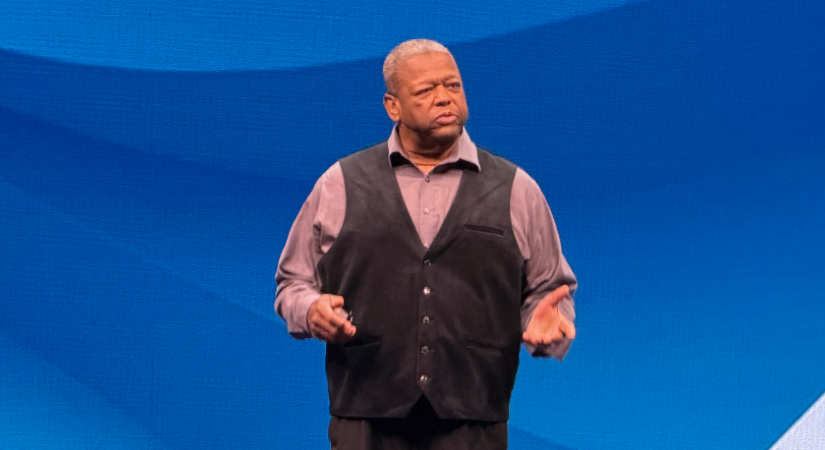
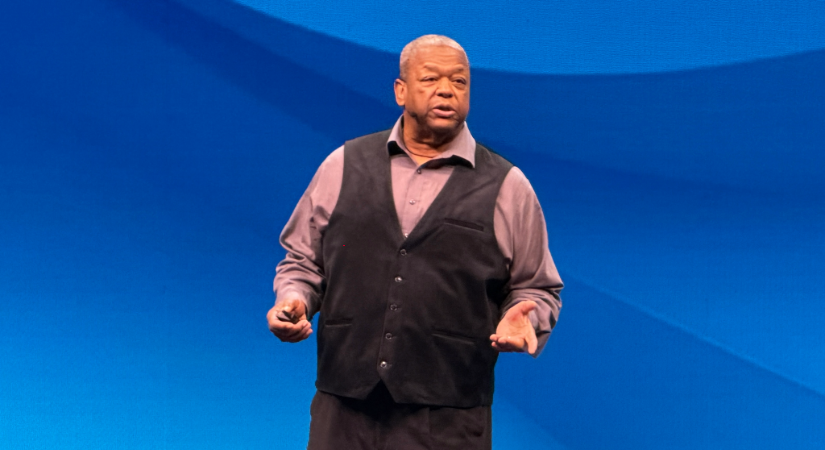
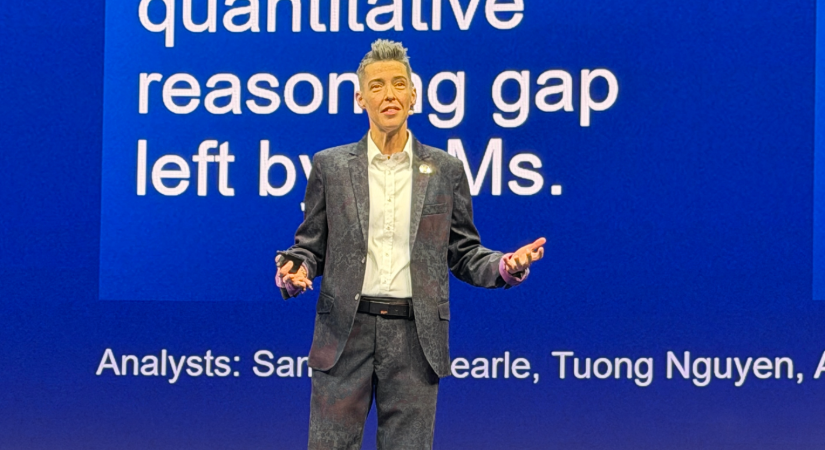
Presented by Daryl Plummer, Distinguished VP Analyst and Gartner Fellow
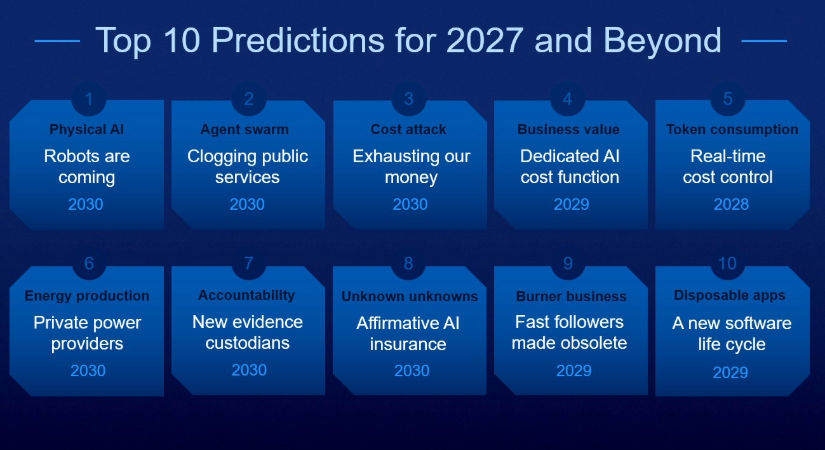
As AI reshapes the systems we rely on, successful organizations will balance innovation with responsibility to manage both the opportunities and unintended consequences of an AI-driven world. In this session, Daryl Plummer, Distinguished VP Analyst and Gartner Fellow, unveiled the top strategic predictions of the future that represent opportunities or threats.
Journalists can receive additional information and/or request an interview with Daryl Plummer by contacting Laurence Goasduff at laurence.goasduff@gartner.com.
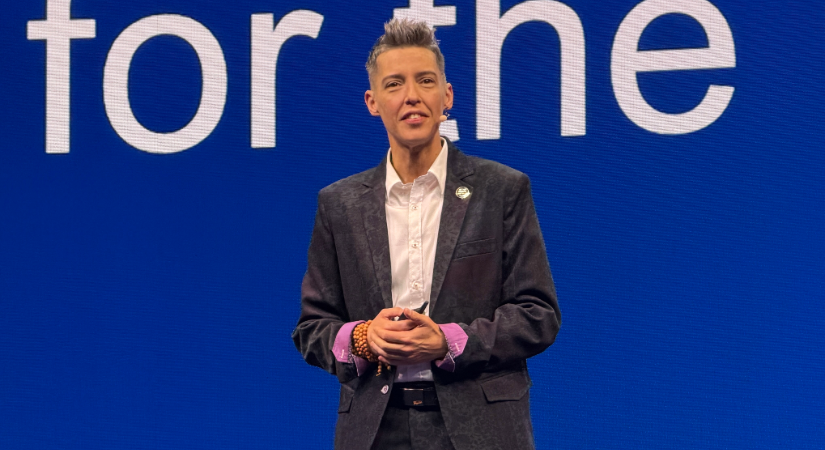
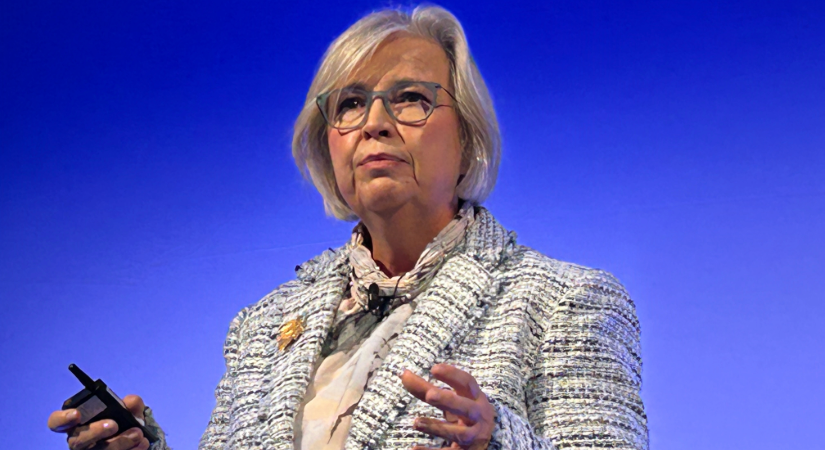
Presented by Tori Paulman, Distinguished VP Analyst, Gartner
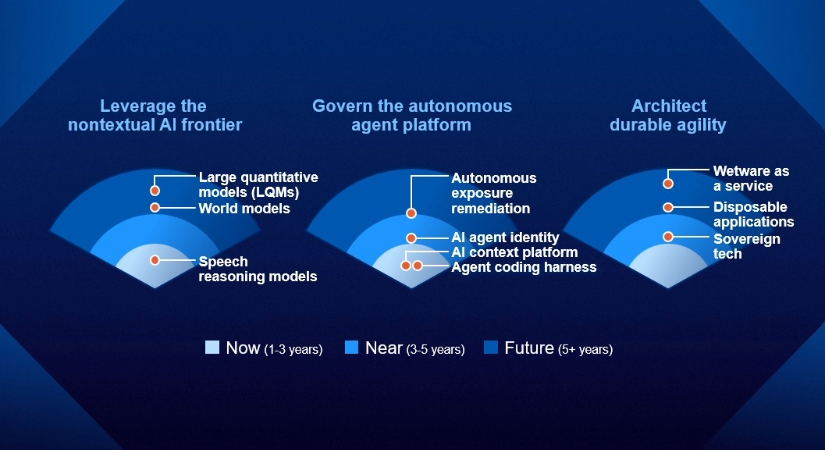
Technological breakthroughs are accelerating like never before. In this session, Tori Paulman, VP Analyst at Gartner, highlighted the game-changing technologies every CIO should know to face the future with confidence and agility.
“CIOs need to safely lead their organizations into the autonomous era. To do so they must leverage the Non-Textual AI Frontier, govern the Autonomous Agent Platform, and architect Durable Agility. Gartner’s top technology trends for 2027 will help CIOs build the strategic boundaries needed to deliver trusted outcomes.”
World Models: “World models establish a physics-first paradigm shift that allows machines to comprehend space, time and causality, enabling autonomous agents to simulate potential future states, predict outcomes and understand the consequences of their actions before execution.”
AI Agent Identity: “By 2028, 25% of enterprise security breaches will trace back to AI agent abuse due to unmanaged machine privileges and legacy credential practices.Applying dynamic identity controls allows organizations to replace high-risk static credentials with dynamic, policy-controlled access.”
Journalists can receive additional information and/or request an interview with Tori Paulman by contacting Laurence Goasduff at laurence.goasduff@gartner.com.
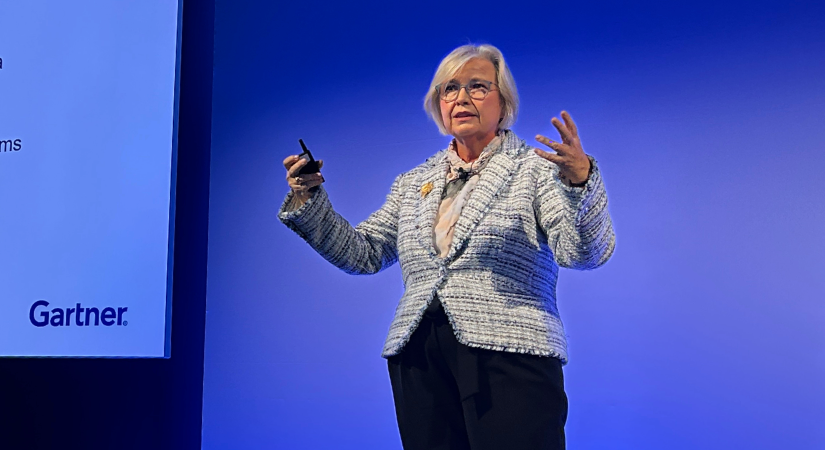
Presented by Bettina Tratz-Ryan, VP Analyst, Gartner
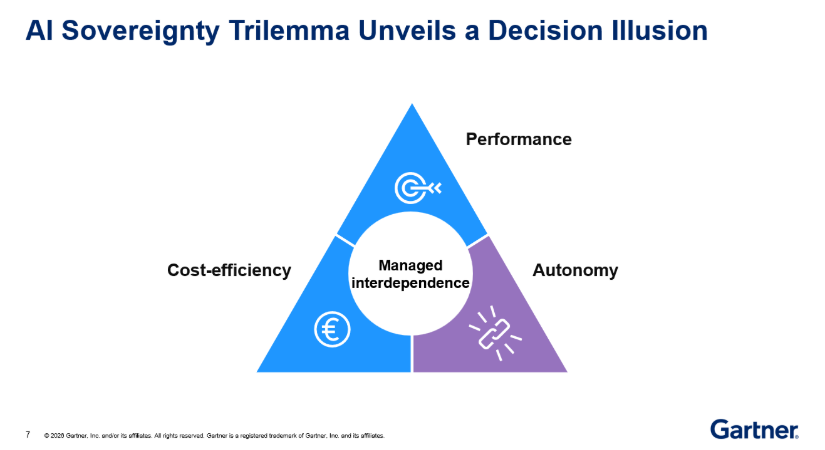
AI sovereignty is reshaping AI implementation strategies. In this session, Bettina Tratz-Ryan, VP Analyst at Gartner, examined the AI values, risks, and external dependencies associated with AI sovereignty.
“Over the years, the technology trade-off was familiar: faster, cheaper, or better. In the age of AI and sovereignty, CIOs are now expected to build strategic autonomy. This is the AI sovereignty trilemma.”
“The AI sovereignty trilemma is ultimately a question of net value: which dependencies are worth accepting, and which costs are worth absorbing?”
“On one side of the equation are the costs of dependency. On the other side is the cost of control.”
“To mitigate the AI sovereignty trilemma, CIOs need to move from initial trade-off discussions to a comparable measure of the net value that AI sovereignty measures will create.”
Journalists can receive additional information and/or request an interview with Bettina Tratz-Ryan by contacting Laurence Goasduff at laurence.goasduff@gartner.com.
It’s not too late to join the conference
Laurence Goasduff
Gartner
laurence.goasduff@gartner.com
Gartner (NYSE: IT) delivers actionable, objective business and technology insights that drive smarter decisions and stronger performance on an organization’s mission-critical priorities. To learn more, visit gartner.com.


