Mumbai, India, September 22, 2026
- Gartner client? Log in for personalized search results.
Gartner Data & Analytics Summit 2026 India: Day 2 Highlights
Overview
We are bringing you news and highlights from the Gartner Data & Analytics Summit, taking place this week in Mumbai, India. Below is a collection of the key announcements and insights coming out of the conference. You can read the highlights from Day 1 here.
On Day 2 of the conference, we are highlighting the top data and analytics (D&A) predictions for 2026, discussing how data management leaders can manage unstructured data for AI readiness and examining how agentic AI is impacting and disrupting data management disciplines and technologies. Be sure to check this page throughout the day for updates.
Key Announcements
Unstructured Data Is the Missing Ingredient to Prepare AI-Ready Data
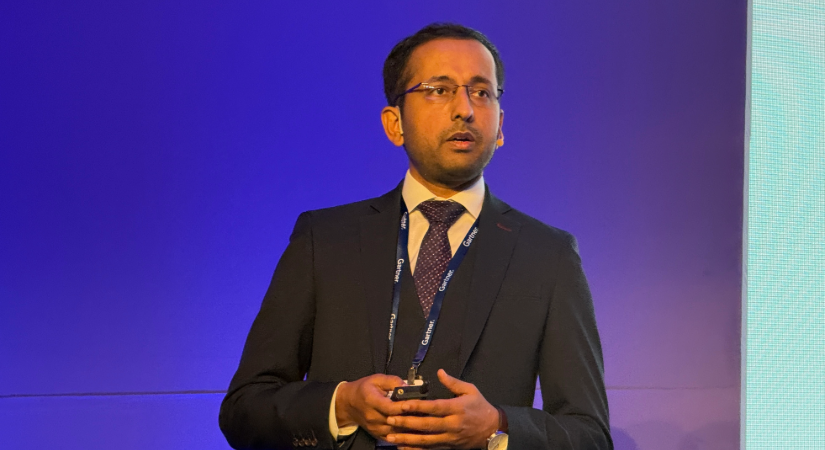
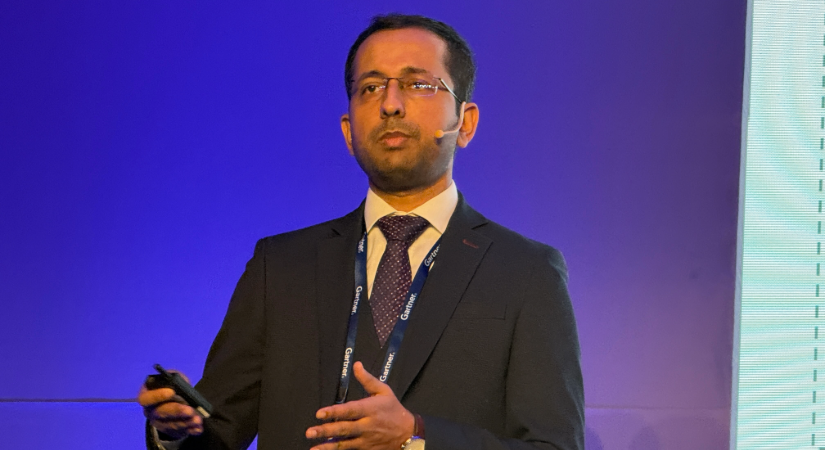
Presented by Prasad Pore, Sr Director Analyst, Gartner
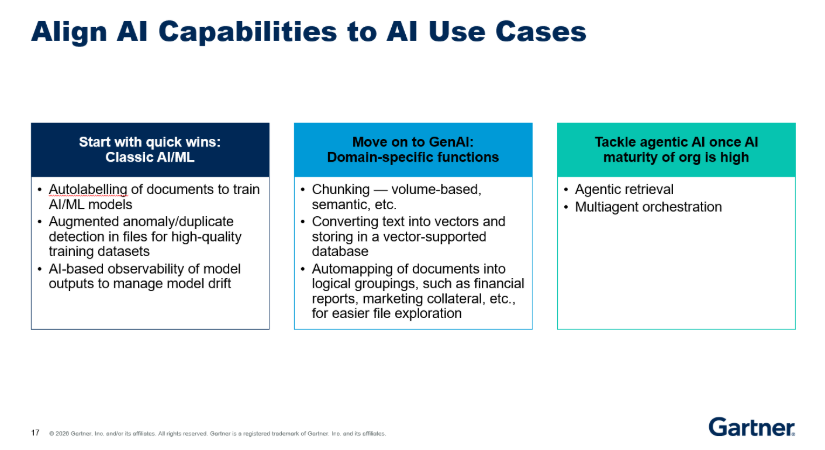
Almost every GenAI and/or agentic AI use case requires organizations to extract, qualify and govern significant volumes of unstructured data. In this session, Prasad Pore, Sr Director Analyst at Gartner, discussed how data management leaders should deliver workflows that orchestrate entity extraction, vector data embeddings and semantic data enrichment with structured data pipelines to enable AI-ready data.
Key Takeaways
“By 2027, the IT spending focused on multistructured data management will account for 40% of the total spent on data management technologies and services.”
“From 2025 through 2029, the share of AI spending on AI data readiness will increase seven times, driven by the essential need for AI-ready data.”
“Through 2028, heads of AI, data science and data management will attempt to build their own unstructured metadata solutions, incurring costs more than 300% higher than they would if they used existing document and records solutions, skills and practices.”
“Data management leaders who are unable to feed multimodel data-hungry AI models will fall behind on executing their AI strategies.”
- “Continuously assess whether the data strategy is aligned with the AI strategy. Look for opportunities to merge the data management practices for structured & unstructured data.”
Journalists can receive additional information and/or request an interview with Prasad Pore by contacting Sonika Choubey at sonika.choubey@gartner.com.
Signature Series: Top Data and Analytics Predictions for 2026
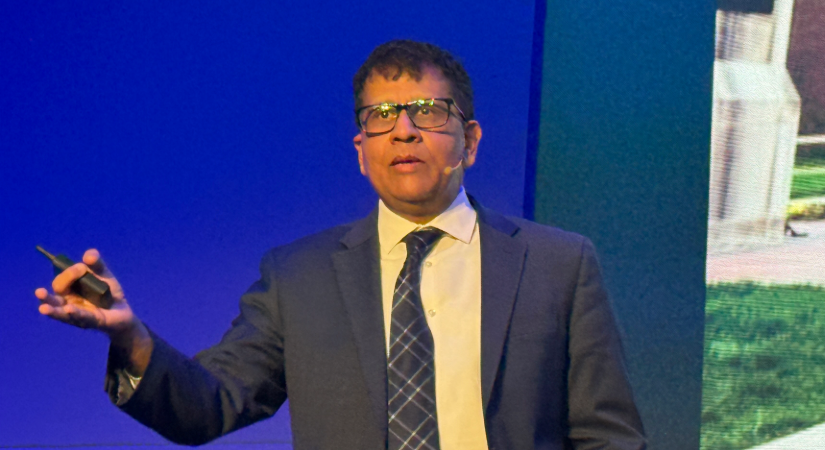
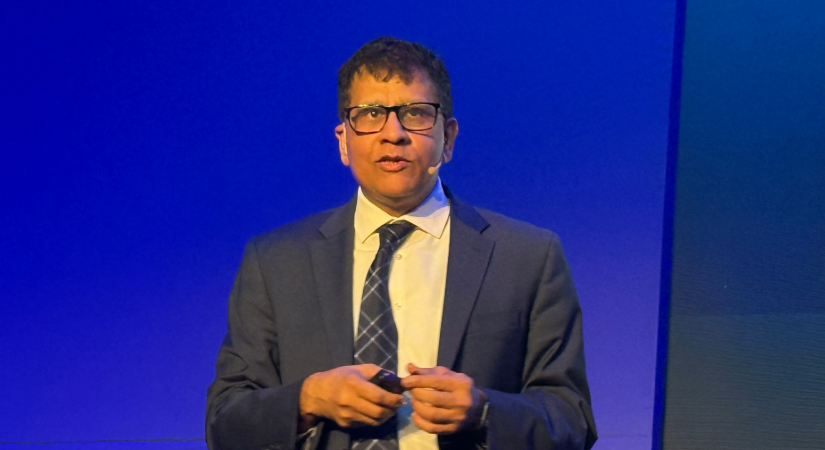
Presented by Deepak Seth, Sr Director Analyst, Gartner
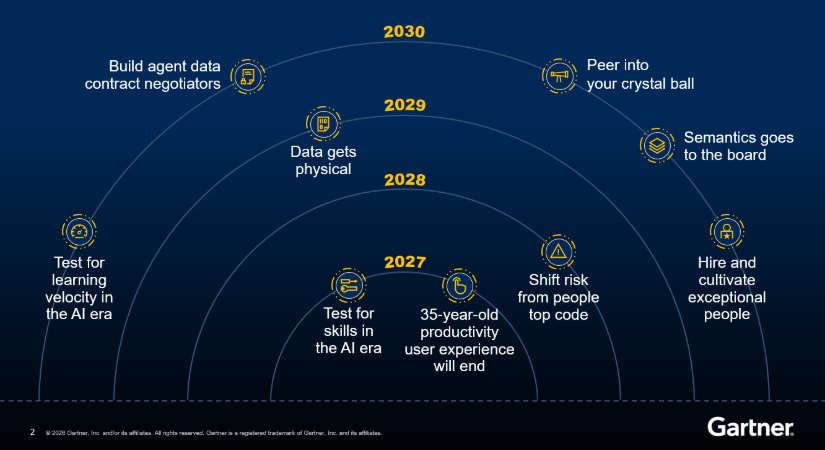
In 2026, the lines between human intelligence, machine intelligence, and organizational intelligence continue to blur. In this session, Deepak Seth, Sr Director Analyst at Gartner, showcased Gartner’s top D&A predictions for 2026.
Key Takeaways
- “By 2027, 75% of hiring processes will include certifications and testing for workplace AI proficiency during recruiting.”
“Through 2027, GenAI and AI agent use will create the first true challenge to mainstream productivity tools in 30 years, prompting a $58 billion market shakeup.”
“By 2029, AI agents are projected to generate 10 times more data from physical environments than from all digital AI applications combined.”
“By 2030, 50% of organizations will use autonomous AI agents to interpret governance policies and technical standards into machine-verifiable data contracts, automating compliance and governance policy enforcement.”
“By 2030, a new wave of unicorns will emerge, with $2 million annual recurring revenue per employee boasting billion-dollar-plus valuations driven not by investor capital, but by extreme capital efficiency that produces valuation multiples based on performance, not promise.”
Journalists can receive additional information and/or request an interview with Deepak Seth by contacting Sonika Choubey at sonika.choubey@gartner.com.
How is Agentic AI Impacting and Disrupting Your Data Management Discipline and Technology NOW?
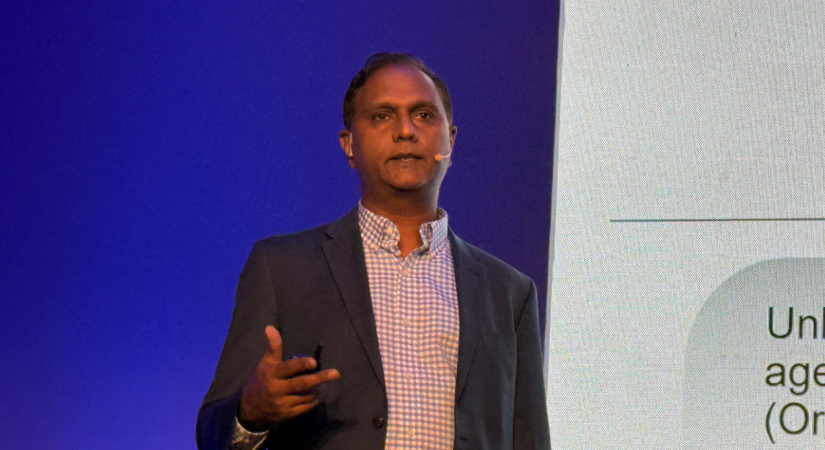
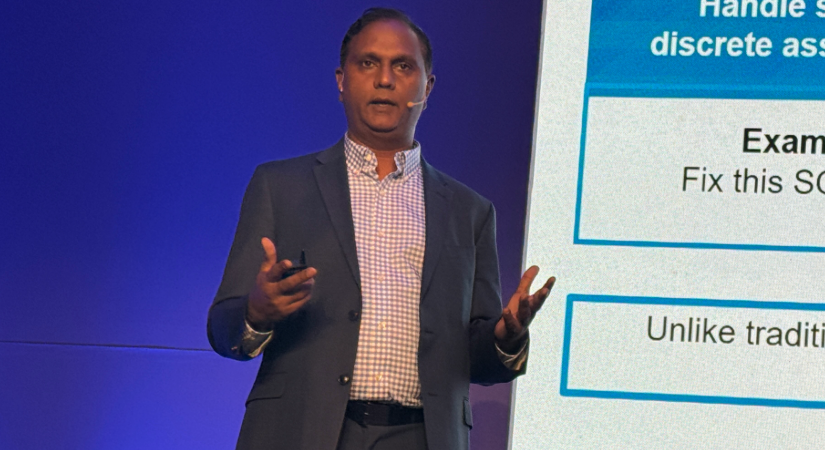
Presented by Ramke Ramakrishnan, VP Analyst, Gartner
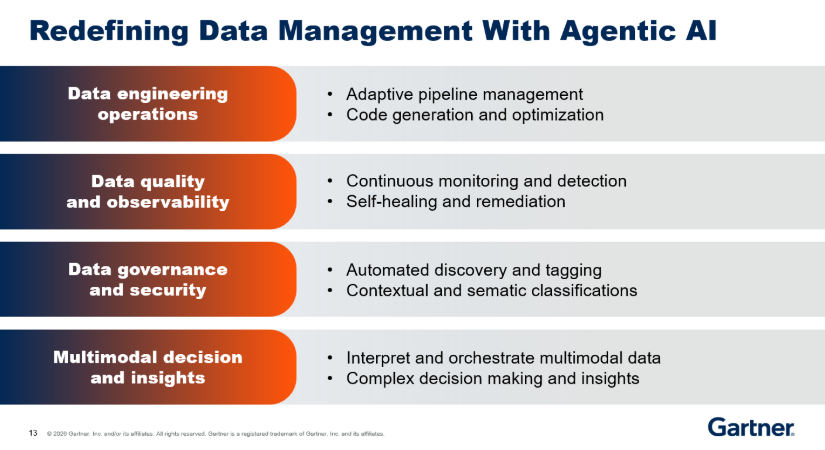
Agentic AI is transforming traditional data management architectures and enabling new use cases in data management and engineering. In this session, Ramke Ramakrishnan, VP Analyst at Gartner, discussed the impact of agentic AI on existing data management architectures and technologies, the new use cases it enables, the evolving skills landscape, and how organizations can prepare for these changes.
Key Takeaways
“The rise of agentic AI is rapidly accelerating the adoption of goal-driven agents for data management processes, thereby freeing practitioners to focus on strategic initiatives.”
“Gartner predicts by 2029, agentic data management using adaptive, context-aware AI agents will have automated 75% of data engineering workflows freeing capacity for higher-value reinvestment.”
Types of AI agents applied to data management include:
Task-based agents are specialized AI agents designed to perform specific, well-defined data management functions.
Orchestration agents manage and coordinate tasks across multiple task-based agents.
Multi-agent systems (MAS) involve the deployment of multiple AI agents, both task-based and orchestration agents, working collaboratively to manage data at scale.
“The success of agentic AI depends less on the model and more on data context. To realize its full potential, organizations should assess their context readiness, invest in semantics (meaning) over syntax (storage), and establish strong governance frameworks.
Journalists can receive additional information and/or request an interview with Ramke Ramakrishnan by contacting Sonika Choubey at sonika.choubey@gartner.com.
That's a wrap for Gartner Data & Analytics Summit in Mumbai. Until next year!


About Gartner
Gartner (NYSE: IT) delivers actionable, objective business and technology insights that drive smarter decisions and stronger performance on an organization’s mission-critical priorities. To learn more, visit gartner.com.