Gartner HR Symposium/Xpo, North America: Day 2 Highlights

ORLANDO, Fla., October 27, 2026
It’s not too late to join the conference

Overview

We are bringing you news and highlights from the Gartner HR Symposium/Xpo taking place today through Wednesday, October 28 in Orlando, FL. Below is a collection of the key announcements and insights coming out of the conference. 

On Day 2 from the conference, we are highlighting the managerial tasks you shouldn't automate, the manager's role in guiding teams through change, the cost of the unconnected workplace, and reshaping the recruiting manager role in the era of AI. 

Be sure to check this page throughout the day for updates.

Key Announcements

Managerial Tasks You Could, But Shouldn’t Automate

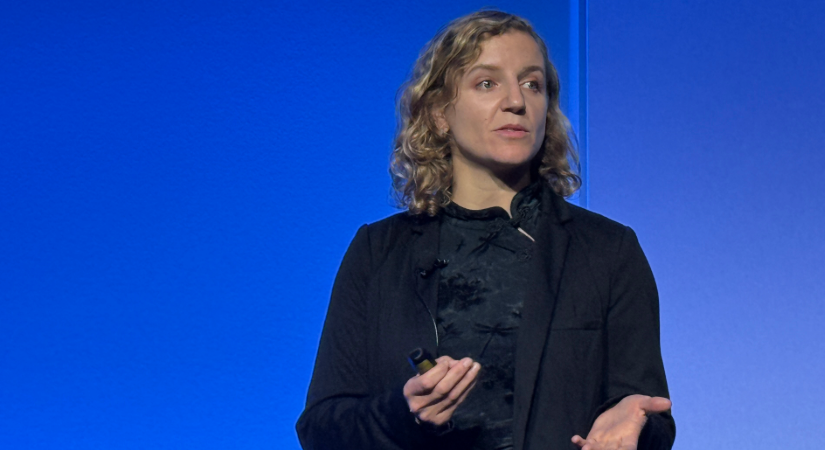
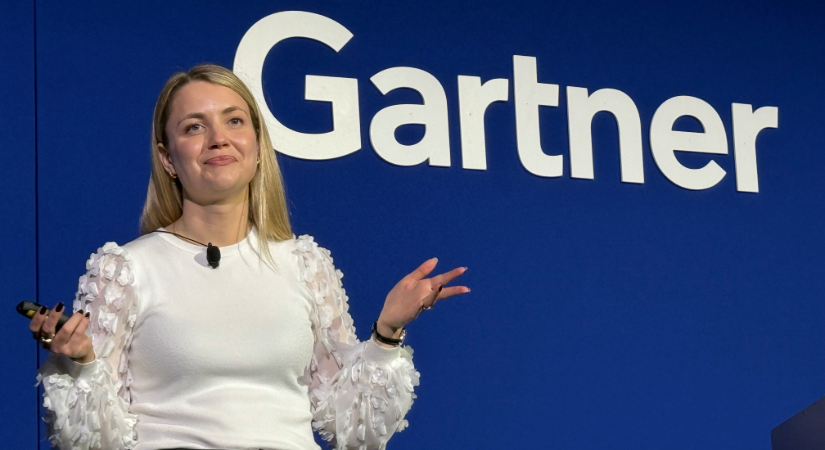
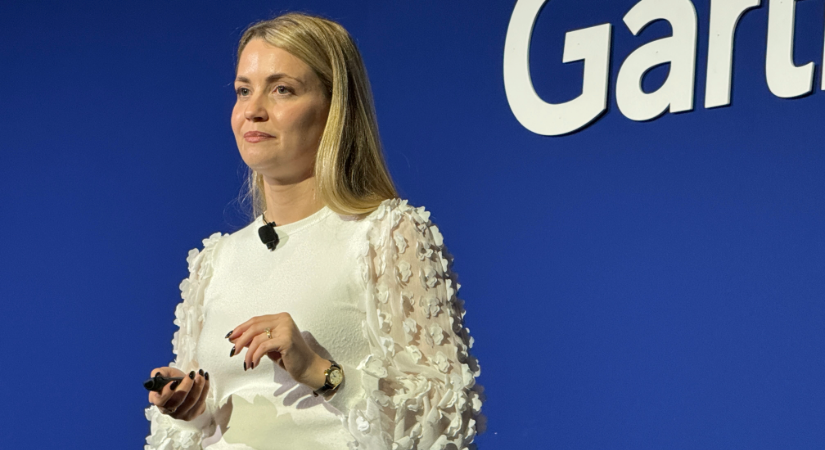
Presented by Carolina Engels, Senior Principal Analyst, Gartner

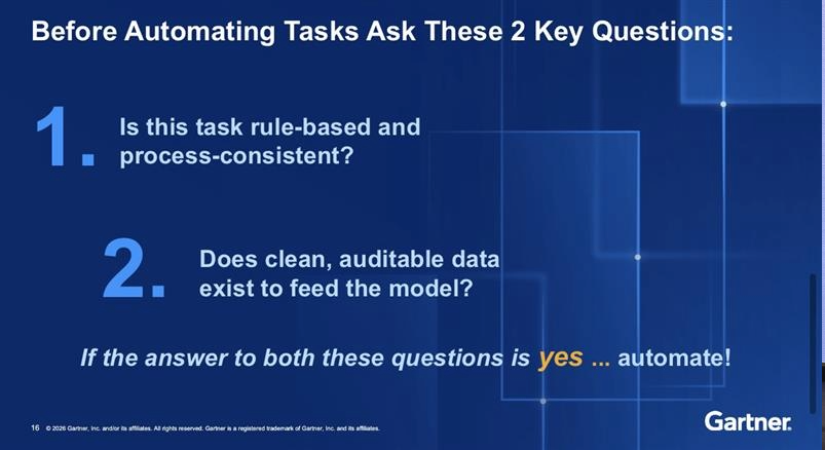
As AI transforms managerial work, organizations face a critical choice: not simply what can be automated, but what should remain human. In this session, Carolina Engels, Senior Principal Analyst at Gartner, explored why higher AI adoption is not automatically translating into higher manager effectiveness and offered a framework for identifying the managerial work that organizations should automate, augment, and protect. 

Key Takeaways

  • “We expected with more AI, we would remove friction, but we just moved it. Today, 79% of CHROs say managers are overwhelmed, and 1 in 4 managers would opt out of management if they could.”
  • “HR should apply three strategic filters:
    • Automate Tasks, Not Workflows. Organizations that strategically automate routine administrative task components are more likely to report higher enterprise contribution and discretionary effort.
    • Protect Zone of Genius. Organizations should identify and protect the activities that create the greatest value and meaning for managers, including coaching, development, navigating ambiguity, and building trust.
    • Beware of Interconnectivity. The question is what disappears when a task is automated. Organizations should assess second- and third-order effects before scaling automation.”
  • “Beware of interconnectivity: AI doesn't just change a task, it changes everything connected to it. Benefits appear immediately; costs appear later.”  
  • “Gartner predicts that 75% of organizations that reduce middle-management headcount due to AI investments will rehire at least half of those roles by 2028.”

Journalists can receive additional information and/or request an interview with Carolina Engels by contacting Gerri Weinberger at gerri.weinberger@gartner.com. 

From Job Security to Job Evolution: Managers Role in Guiding Teams Through Change

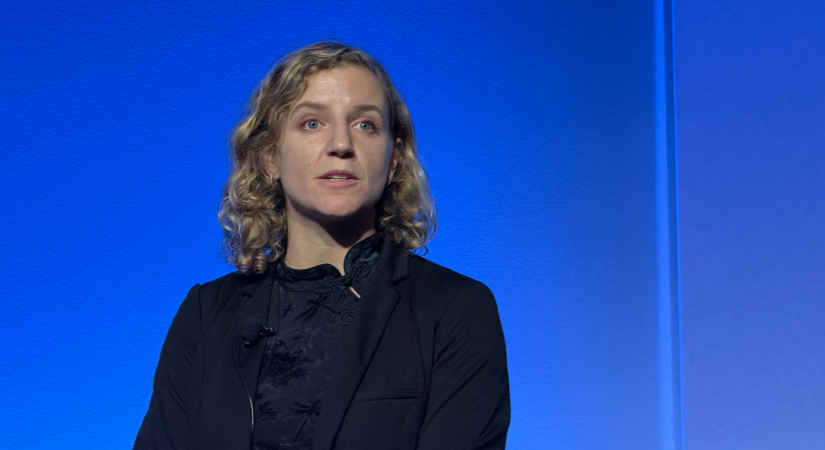
Presented by Sasha Tuzel, Senior Director Analyst

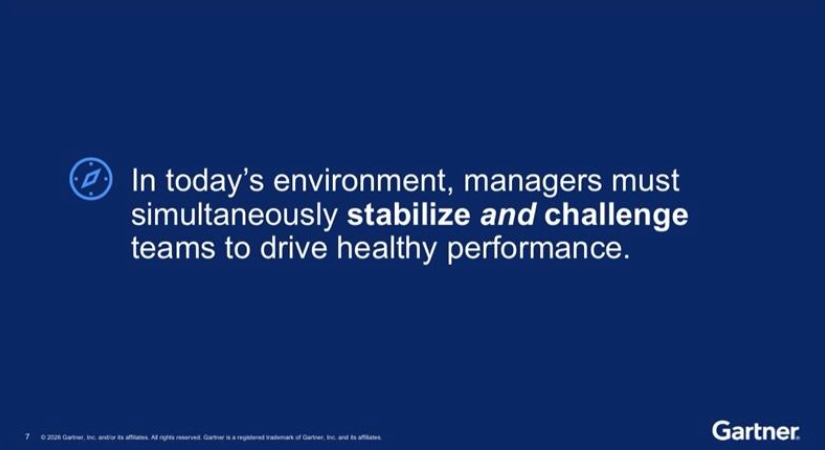
Employee anxiety is at an all-time high as AI, cost pressures and role redesign drive concerns about job security and employees' place in the organization. In this session, Sasha Tuzel, Senior Director Analyst at Gartner, shared practical strategies to help managers guide employees through change, establish role and goal clarity, and navigate disruption after role redesign.

Key Takeaways

  • “The number of enterprise changes the average employee experiences increased from 10 in 2022 to 22 in 2025, driving employee job insecurity.”
  • “By 2030, 34% of the skills required to be successful in a job in 2025 will no longer be relevant.”
  • Gartner recommends managers take three actions:
    • Acknowledge and neutralize anxiety: Employees who report high levels of psychological safety enjoy a 67% higher probability that they’ll apply a new skill on the job.  
    • Communicate the value of progress: Managers should break changes into achievable workflow steps, recognize progress and provide course-correcting feedback.
    • Connect job evolution to enduring values: Managers can help employees navigate changing roles by connecting the changing “how” of work to an enduring “why.”

Journalists can receive additional information and/or request an interview with Sasha Tuzel by contacting Gerri Weinberger at gerri.weinberger@gartner.com. 

Cost of the Unconnected Workplace: Loneliness Is a Line Item

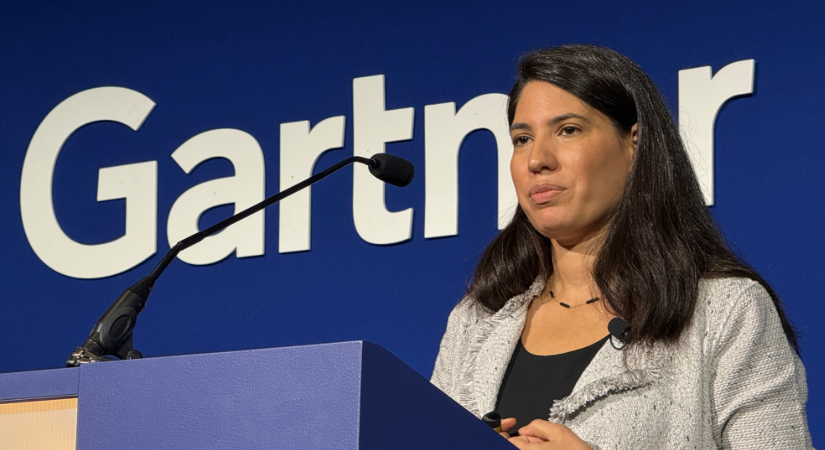
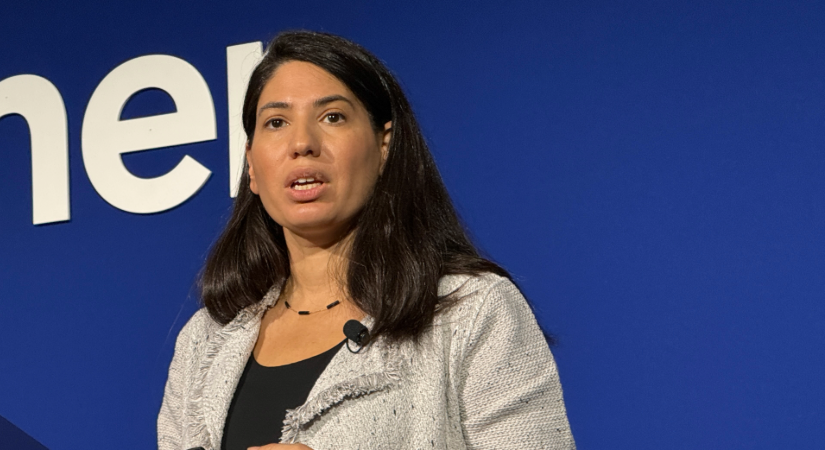
Presented by Rachael Dix, Director Analyst, Gartner

Workplace loneliness is a strategic line-item risk, engineered by systems meant to drive efficiency and growth. In this session, Rachael Dix, Director Analyst at Gartner, explored how to actively detect loneliness and embed human connection into performance expectations and automated workflows to protect the bottom line.

Key Takeaways

  • “Workplace loneliness is a widespread business challenge, with 42% of employees reporting they feel lonely at work.”
  • “Gartner research found that lonely employees are: 
    • 19% more likely to consider leaving their jobs, resulting in an average of $8.2 million in attrition costs
    • 51% less likely to deliver above-average enterprise contribution, creating an estimated $8 million in lost productivity.”
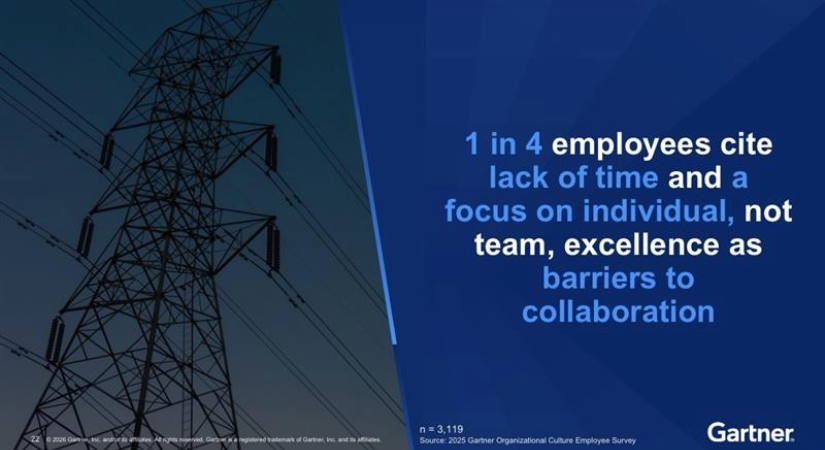
  • “One in 4 employees cite lack of time and a focus on individual, not team, excellence as barriers to collaboration.”
  • “To protect performance and the bottom line, CHROs should focus on actively detecting loneliness, embedding collaboration into performance expectations, and redesigning key automated workflows to hardwire human connection back into daily operations.”

Journalists can receive additional information and/or request an interview with Rachael Dix by contacting Gerri Weinberger at gerri.weinberger@gartner.com. 

It’s not too late to join the conference

Follow along for more updates from the conference.

Media contact


Related insights


About Gartner

Gartner (NYSE: IT) delivers actionable, objective business and technology insights that drive smarter decisions and stronger performance on an organization’s mission-critical priorities. To learn more, visit gartner.com.