KOCHI, India, November 17, 2026
AI's Elusive ROI: How to Track, Manage and Demonstrate Value
December 17 2026
KOCHI, India, November 17, 2026
It’s not too late to join the conference
Overview
We are bringing you news and highlights from Gartner IT Symposium/Xpo, taking place this week in Kochi, India. Below is a collection of the key announcements and insights coming out of the conference. You can read the highlights from Day 1 here.
On Day 2 from the conference, we are discussing how CIOs can lead efforts to combat enterprise disinformation, exploring how AI enables small teams to deliver outsized productivity, and examining the true costs organizations must consider as they scale AI initiatives in 2026. Be sure to check this page throughout the day for updates.
Key Announcements
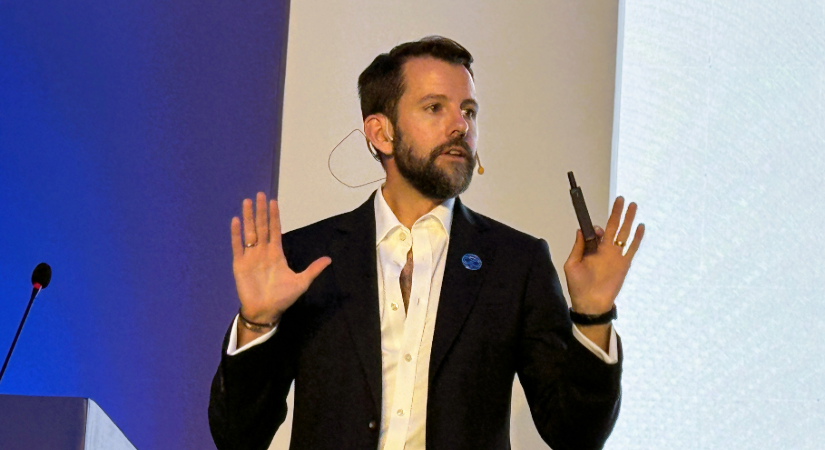
Presented by Dave Aron, VP, Distinguished Analyst and Gartner Fellow
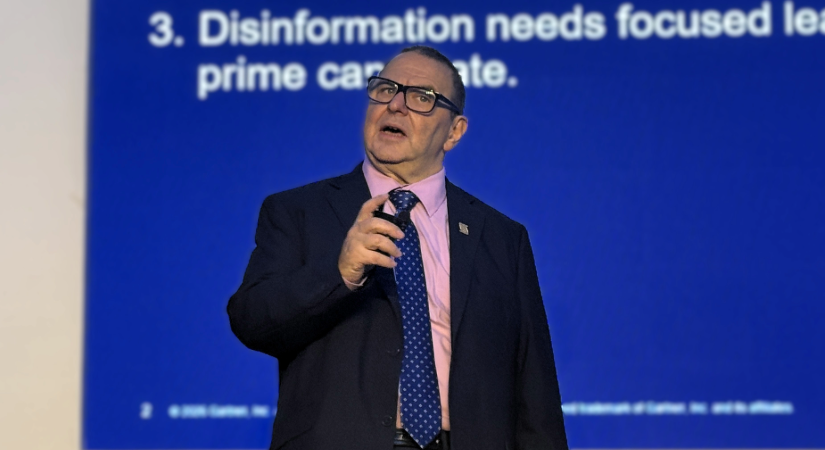
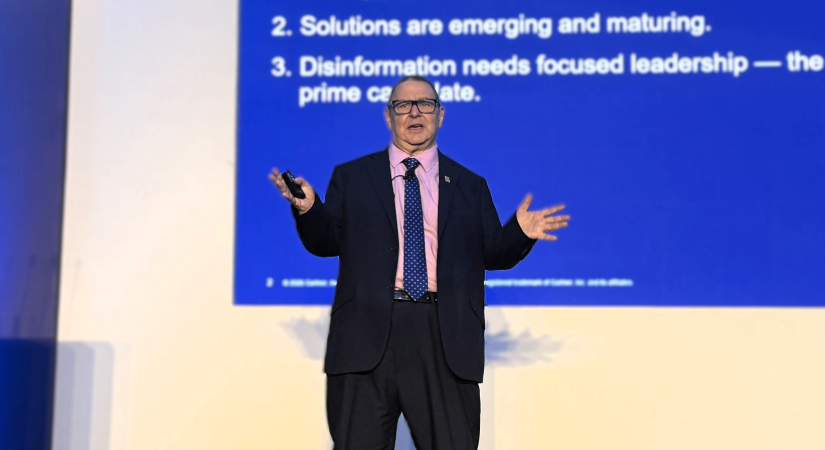
The deluge of disinformation is already here, and enterprises are increasingly recognizing its impact on business operations, decision-making and trust. In this session, Dave Aron, VP. Distinguished Analyst and Gartner Fellow, explored why disinformation security has become a critical enterprise challenge, the emerging technologies and governance mechanisms available to address it, and why CIOs are well-positioned to lead these efforts.
“Digital and AI make disinformation exponentially more powerful through mass customization, increasingly convincing multimedia deepfakes, and hyper-targeted global distribution at unprecedented scale.”
“By 2028, enterprise spending on battling misinformation and disinformation will surpass $30 billion, cannibalizing 10% of marketing and cybersecurity budgets.”
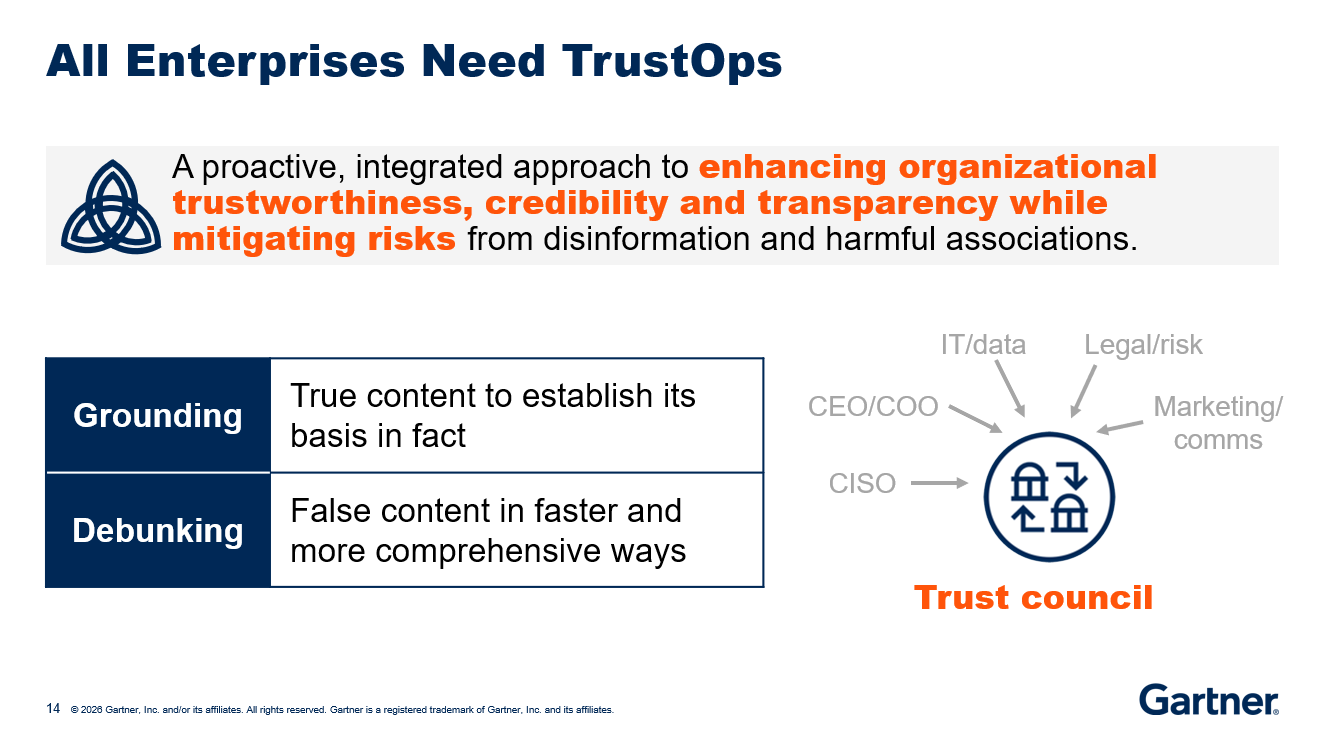
“TrustOps enables organizations to ground decisions in trusted information and rapidly debunk false narratives before they create business risk.”
“CIOs need to establish a cross-functional Trust Council to govern TrustOps and coordinate enterprise efforts to combat disinformation.”
“Combating industrial disinformation requires four coordinated levers: rules, education, technology and behavioral nudges.”
Journalists can receive additional information and/or request an interview with Dave Aron by contacting Sonika Choubey at sonika.choubey@gartner.com.
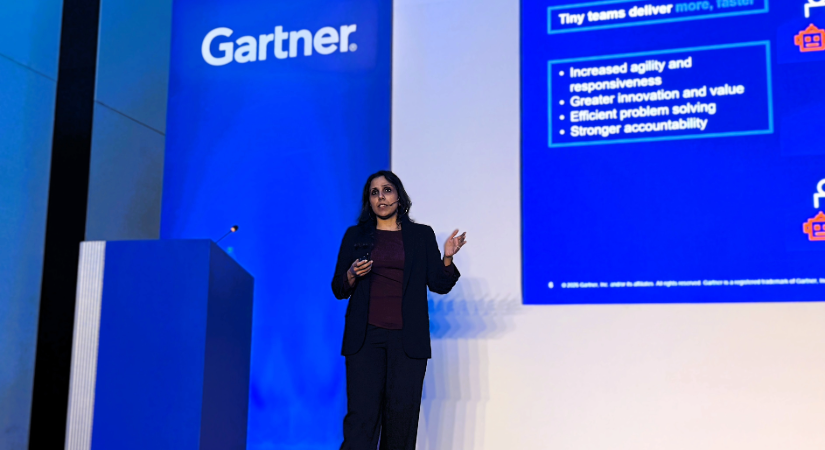
Presented by Akriti Kapoor, Senior Director Analyst, Gartner
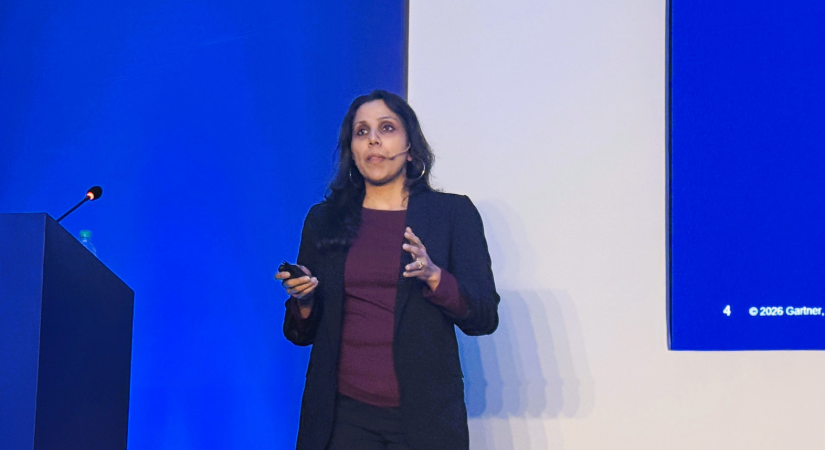
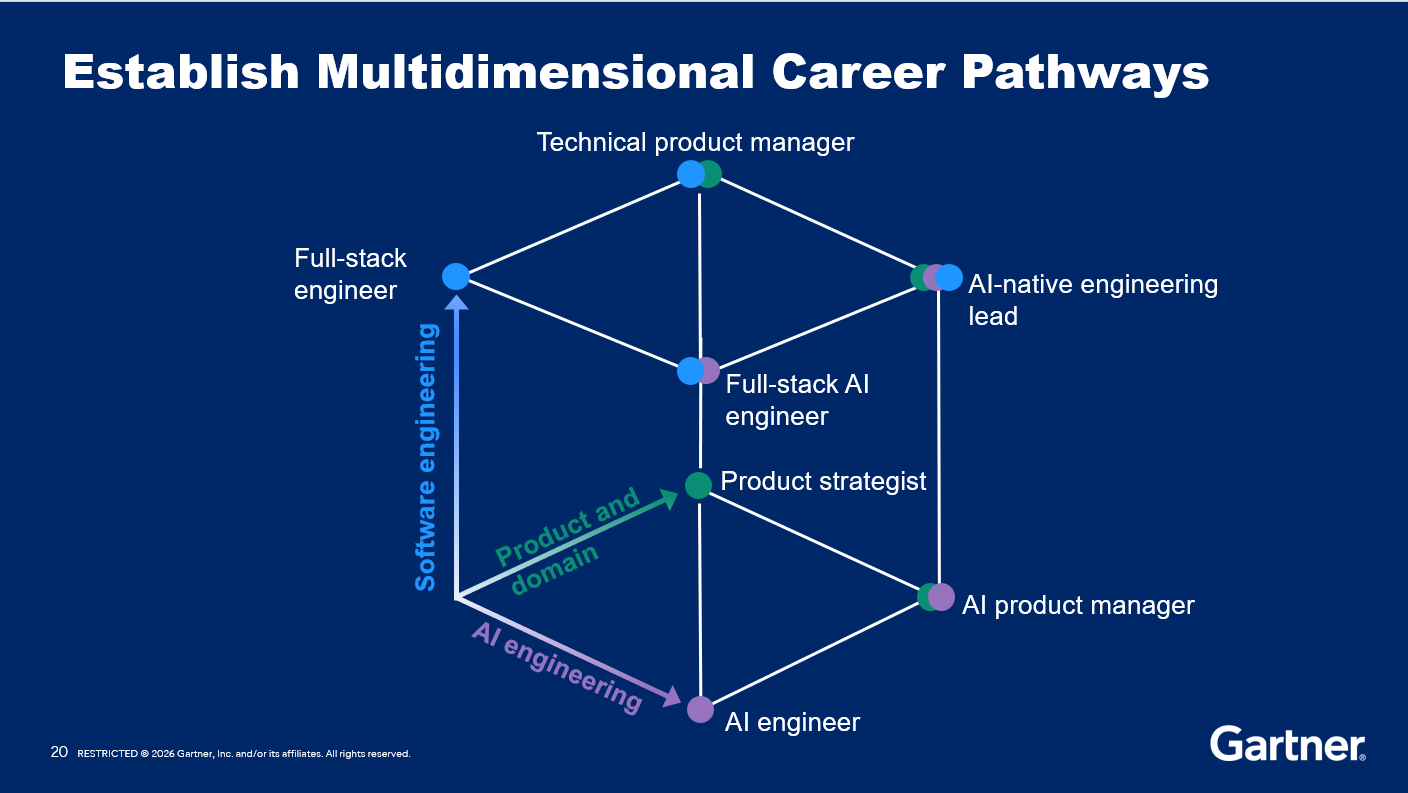
AI is reshaping software engineering team structures, enabling organizations to deliver greater business value with smaller, highly skilled teams. In this session, Akriti Kapoor, Senior Director Analyst at Gartner, explored how AI-native tiny teams can improve agility, innovation and accountability, and outlined the organizational changes required to successfully adopt this model in the enterprise
“Organizations looking to replicate the success of AI-native startups should focus on three critical enablers: role compression, forward-deployed engineering principles and platform team enablement.”
“Traditional role boundaries are blurring as AI agents take on more work, driving role compression where specialized positions merge into broader roles. To prepare, enterprises must redefine software engineering roles around skills, not job titles.”
“Software engineering leaders should identify senior engineers with strong user empathy and context engineering capabilities to serve as internal forward-deployed engineers (FDEs).”
“Organizations must apply the FDE model selectively, treating FDE capacity as a scarce resource and prioritizing high-value, context-intensive initiatives.”
“Organizations must invest in platform teams that abstract AI complexity through shared tools, reusable components, governance guardrails and self-service capabilities that enable tiny teams to scale effectively.”
Journalists can receive additional information and/or request an interview with Akriti Kapoor by contacting Sonika Choubey at sonika.choubey@gartner.com.
Presented by Nate Suda, VP Analyst, Gartner
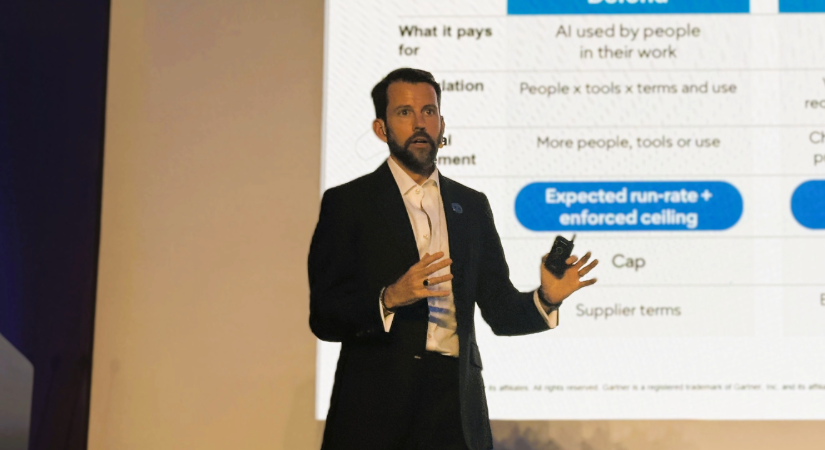
AI program costs extend well beyond models and infrastructure, making it difficult for organizations to understand the true economics of AI at scale. In this session, Nate Suda, VP Analyst at Gartner, outlined the key cost drivers of enterprise AI and explained how agentic systems, governance and integration are changing the cost structure of AI programs.
“In 2027, 67% of companies will change their financial plans assuming impact from AI. Organizations must understand the true cost of delivering on those expectations.”
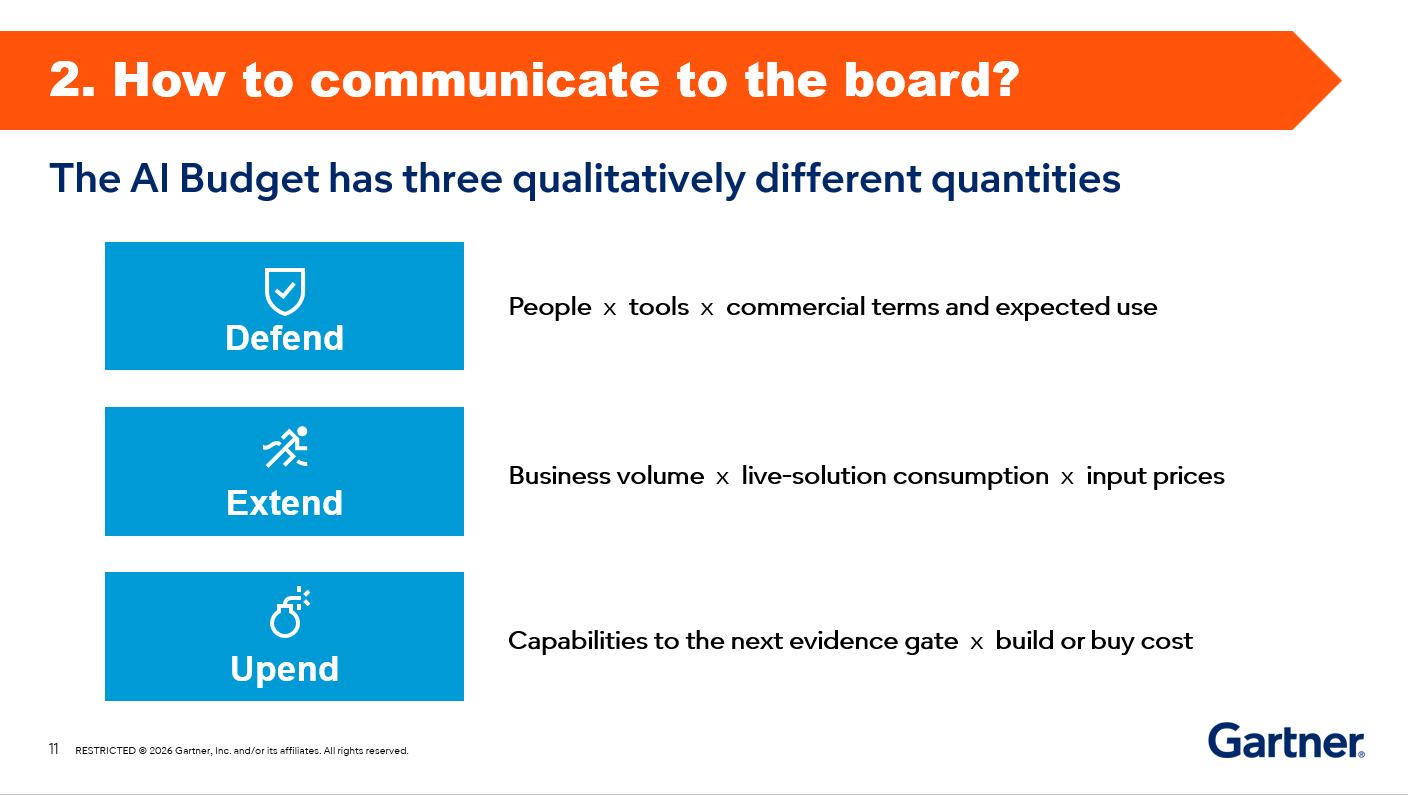
“The AI budget has three distinct components: Defend, Extend and Upend, each requiring different investment approaches, cost models and governance mechanisms.”
“Organizations should budget for all AI technology costs, recognizing that as AI initiatives mature, cost drivers will shift and previously minor expenses can become the largest contributors to overall AI spending.”
“Operating model change is often the largest cost of AI. Organizations must budget for organizational redesign, role changes and process transformation to fully realize AI value.”
“Agentic AI breaks the traditional relationship between work, cost and price, requiring organizations to rethink cost drivers, business economics and pricing models.”
Journalists can receive additional information and/or request an interview with Nate Suda by contacting Sonika Choubey at sonika.choubey@gartner.com.
It’s not too late to join the conference
Sonika Choubey
Gartner
sonika.choubey@gartner.com
Gartner (NYSE: IT) delivers actionable, objective business and technology insights that drive smarter decisions and stronger performance on an organization’s mission-critical priorities. To learn more, visit gartner.com.


