Kochi, India, November 19, 2025
- Gartner client? Log in for personalized search results.
Gartner IT Symposium/Xpo 2025 Kochi: Day 3 Highlights
It’s not too late to join the conference
Overview
We are bringing you news and highlights from Gartner IT Symposium/Xpo, taking place this week in Kochi, India. Below is a collection of the key announcements and insights coming out of the conference. You can read the highlights here from Day 1 and Day 2.
On Day 3, we are revealing Gartner's CIO and technology executive agenda survey findings, exploring the future of analytics in the era of GenAI, outlining Gartner’s AI governance playbook and discussing how to succeed in a world of misinformation and disinformation. Be sure to check this page throughout the day for updates.
Key Announcements
- Gartner Forecasts India IT Spending to Exceed $176 Billion in 2026
- Gartner Identifies Critical GenAI Blind Spots That CIOs Must Urgently Address
Signature Series: CIOs and Technology Executive Agenda
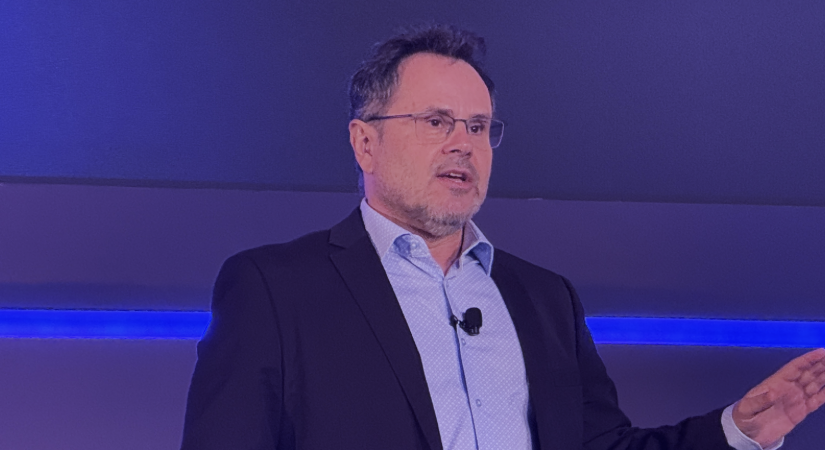
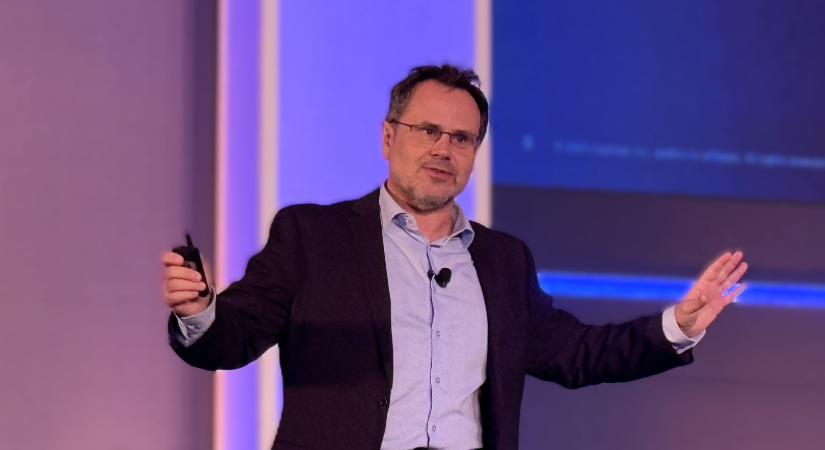
Presented by Daniel Sanchez Reina, VP Analyst, Gartner
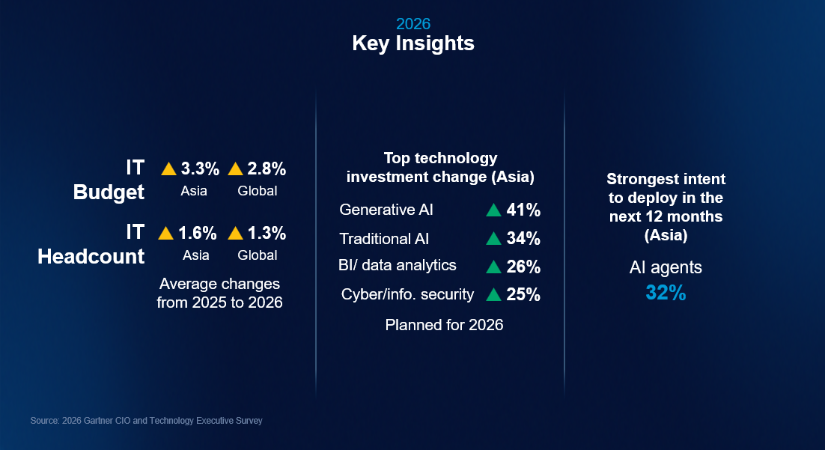
The state of technology leadership is more in flux now than it has ever been, with those at the top of their cohort able to master the art of being truly great. In this session, Daniel Sanchez Reina, VP Analyst at Gartner, outlined CIO and technology executive’s ambitions, the path to achieve them, and the technologies involved in mastering their craft.
Key Takeaways
“Top performing technology executives have three things in common: the ability to be agile re-aligners when context changes; the ability to behave as “risk sentinels,” particularly regarding vendor risks; and the ability to be tenacious executors to avoid getting distracted from achieving financial impact-not just productivity gains.”
“Year-over-year, CIOs and technology executives plan to increase their budgets for AI and GenAI by 34% and 41% on average, even though overall IT budgets are mostly flat.”
“Pivots and reprioritization, not calendar-based planning, will dominate 2026.”
- “Driven by the geopolitics of AI, CIOs and technology executives should recognize that data sovereignty risks are now viewed by many of their peers as a critical consideration in developing a global vendor portfolio. By 2030, 70% of governments will enforce digital sovereignty laws, requiring CIOs to redesign data architectures for compliance and cross-border resilience.”
Journalists can receive additional information and/or request an interview with the Gartner expert by contacting Sonika Choubey at sonika.choubey@gartner.com.
The Future of Analytics in the Era of Generative AI
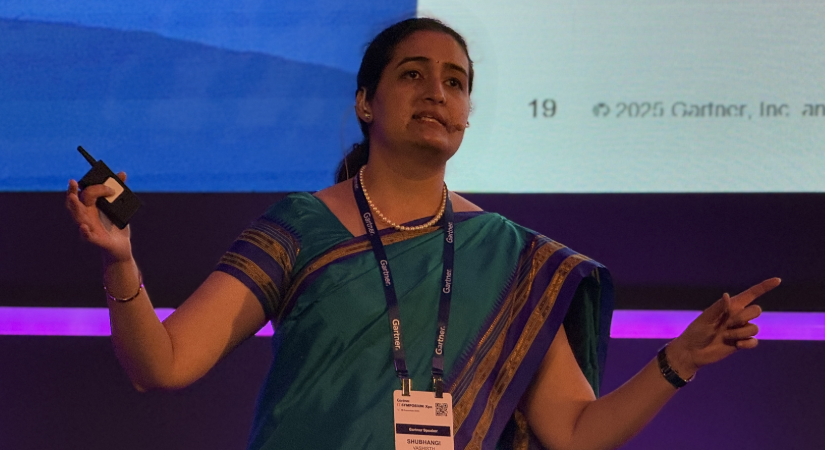
Presented by Shubhangi Vashisth, Director Analyst, Gartner
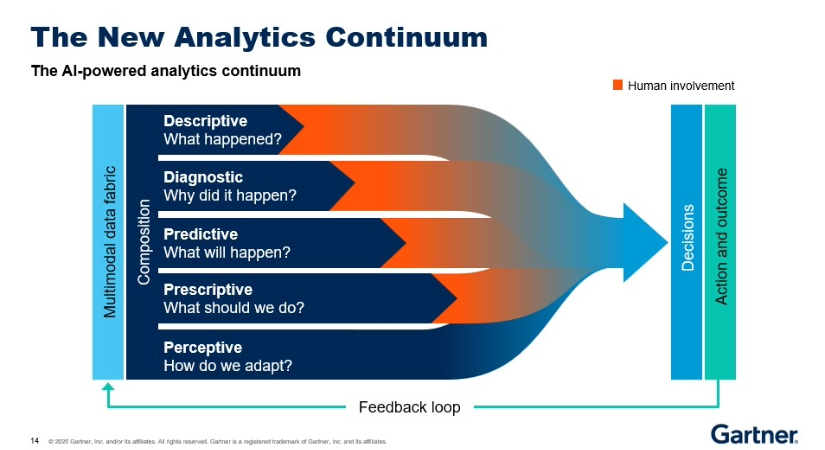
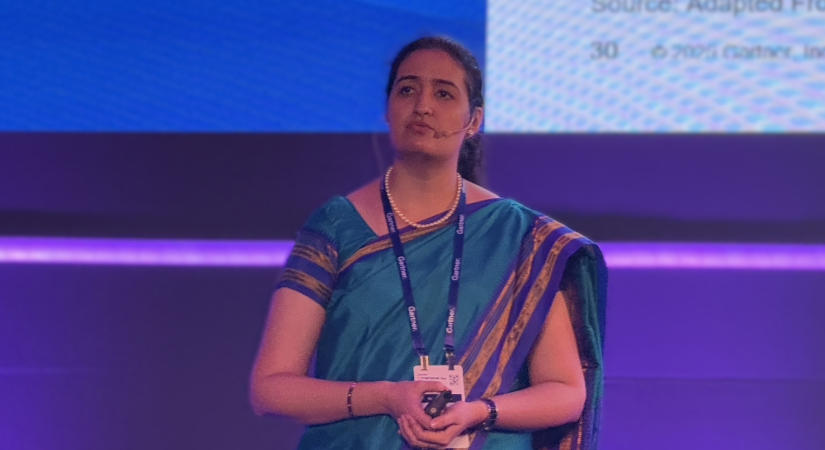
Analytics is experiencing a monumental change in the era of generative AI (GenAI). In this session, Shubhangi Vashisth, Director Analyst at Gartner, discussed the new technologies that are making an impact and how they will affect plans for future investment in analytics tools, platforms and solutions.
Key Takeaways
- “We’re moving from an era where analytic tools help business people make decisions to a future where GenAI-powered analytics becomes perceptive and adaptive.”
“This future will enable dynamic and autonomous decisions that have the potential to transform enterprise and consumer software, business processes and models.”
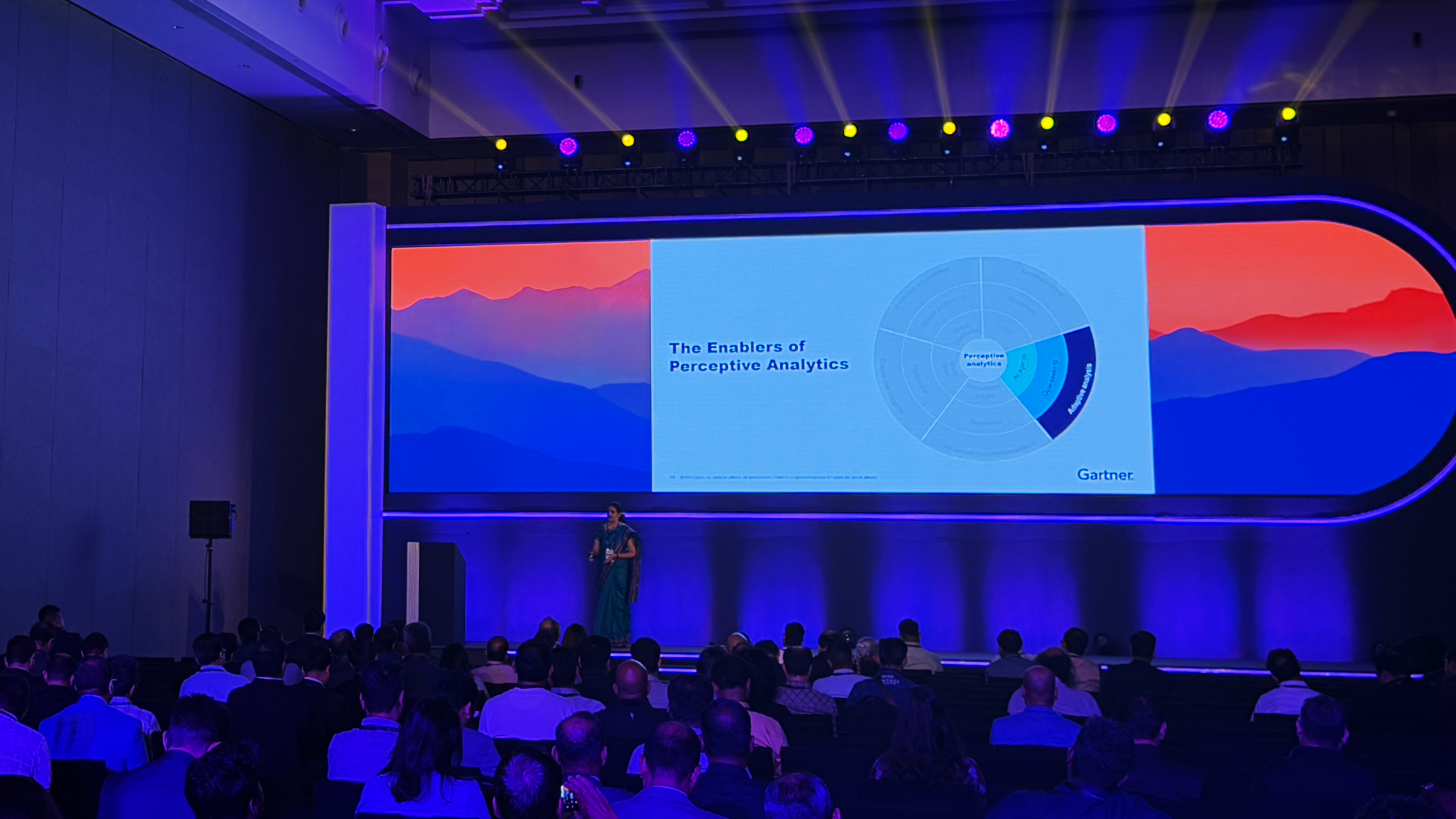
“Perceptive analytics uses LLM-powered reasoning and AI agents to achieve proactive, contextual, outcome-driven decision-making.”
“By 2027, augmented analytics capabilities will evolve into autonomous analytics platforms that fully manage and execute 20% of business processes.”
“Organizations must adapt their data and analytics roadmaps to incorporate perceptive analytics. Then begin building a portfolio aligned with their value stream.”
Journalists can receive additional information and/or request an interview with the Gartner expert by contacting Sonika Choubey at sonika.choubey@gartner.com.
Winning in a World Without Truth
Presented by Dave Aron, Distinguished VP Analyst, Gartner
The evolution of misinformation and disinformation, identified by the World Economic Forum as a top risk, threatens all enterprises and necessitates a response that extends beyond cybersecurity. In this session, Dave Aron, Distinguished VP Analyst at Gartner, discussed how CIOs are well-positioned to lead efforts in addressing this issue.


Key Takeaways
In a survey of 200 C-level leaders at the start of 2025, the majority (68%) are discussing disinformation at an executive committee level. 79% have encountered disinformation issues in the last three years, but only 38% have mechanisms in place to counter it.
“This is a separate issue from cybersecurity. It manifests differently, and requires different governance, tools and processes. Even if an organization had perfect physical security and cyber security, it could still be completely vulnerable to disinformation attacks.”
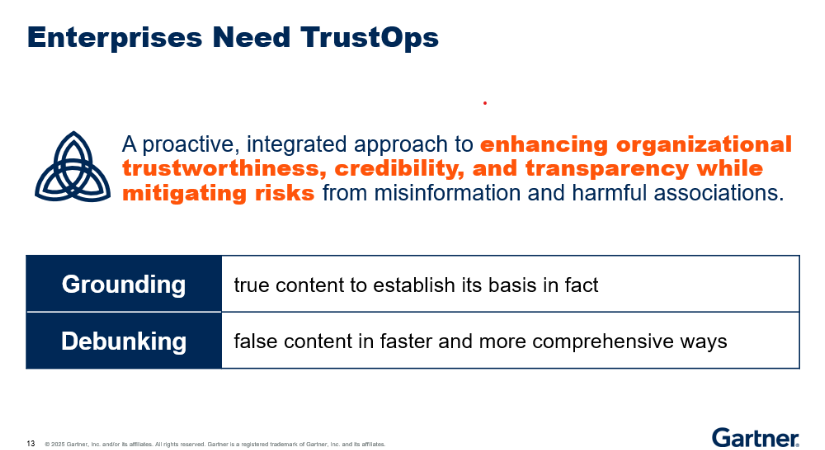
“Gartner has coined the term TrustOps to refer to everything a company needs to do to manage truth and trust in content.”
Grounding: “The first aim of TrustOps is to assure the information and content that a company consumes to make decisions is verified and the content it publishes is certified, in terms of provenance, chain of custody, audit trail, etc.”
- Debunking: “The second aim of TrustOps is to detect false narratives in the ecosystem and prepare actions to counter them without delay.”
Journalists can receive additional information and/or request an interview with the Gartner expert by contacting Sonika Choubey at sonika.choubey@gartner.com.
Executive AI Governance Playbook
Presented by Arup Roy, Distinguished VP Analyst and Gartner Fellow
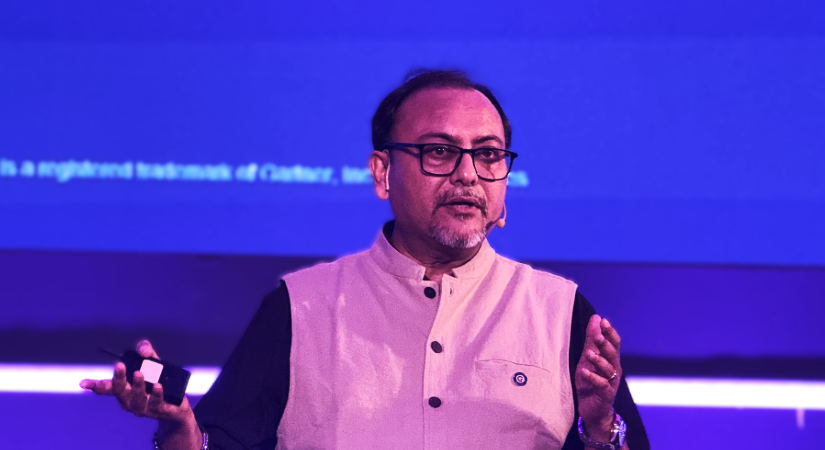
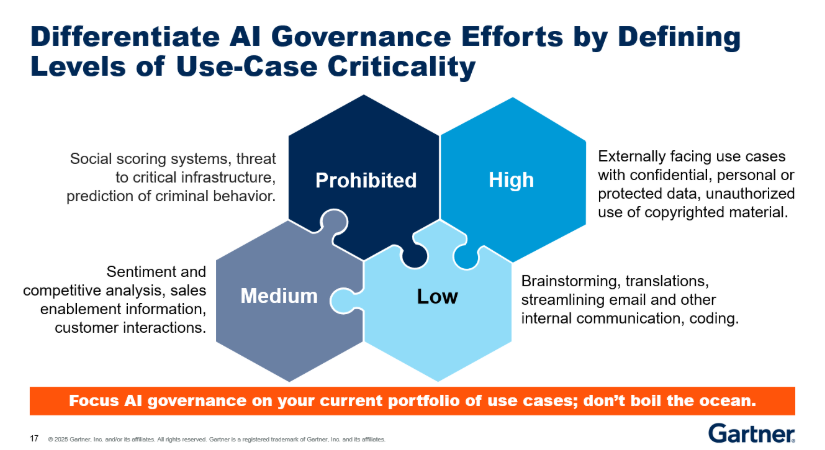
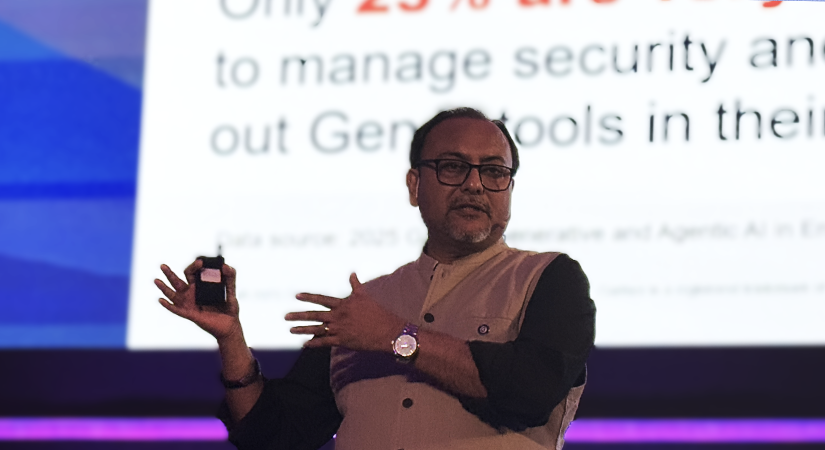
Successful AI governance requires an operating model, policies, controls and enabling technologies. It is necessary to balance AI’s value with the new risks resulting from its criticality, scalability and democratization. In this session, Arup Roy, Distinguished VP Analyst and Gartner Fellow, outlined Gartner’s AI governance playbook to design, implement and adjust AI governance, ensuring compliant, ethical, trustworthy and responsible AI.
Key Takeaways
- “Focus governance on the current AI portfolio over what you might do someday. Manage each portfolio use case across business, social, customer or employee dimensions of responsible AI.”
“Define levels of use-case criticality to focus AI governance on what matters the most to the business.”
“Proactively design and execute an AI literacy program centered around various roles. Balance risk with AI literacy via differentiated controls.”
“All leadership approaches and structures vary due to the novelty of AI governance. Consider AI scope and maturity, industry, regulatory compliance and culture.”
“Involve diverse stakeholders in AI governance who can ask and resolve questions to address AI issues. Pace governance with AI speed.”
Journalists can receive additional information and/or request an interview with the Gartner expert by contacting Sonika Choubey at sonika.choubey@gartner.com.
It’s not too late to join the conference
That's a wrap. See you next year!


About Gartner
Gartner (NYSE: IT) delivers actionable, objective business and technology insights that drive smarter decisions and stronger performance on an organization’s mission-critical priorities. To learn more, visit gartner.com.