LAS VEGAS, Nev., December 11, 2025
- Gartner client? Log in for personalized search results.
Gartner IT Infrastructure, Operations & Cloud Strategies Conference 2025 Las Vegas: Day 3 Highlights
Overview
We are bringing you news and highlights from Gartner IT Infrastructure, Operations & Cloud Strategies Conference, taking place this week in Las Vegas, Nevada. Below is a collection of the key announcements and insights coming out of the conference.
On Day 3 from the conference, we are highlighting the top trends impacting infrastructure and operations in 2026, how world-class organizations defend against AI risks, and how to build a resilient tech workforce through skills.based talent management.
Key Announcements
Leverage the Top Trends Impacting Infrastructure and Operations
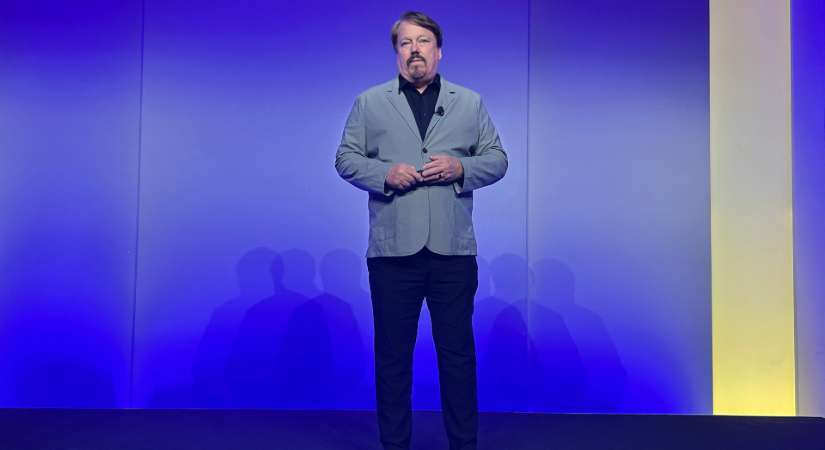
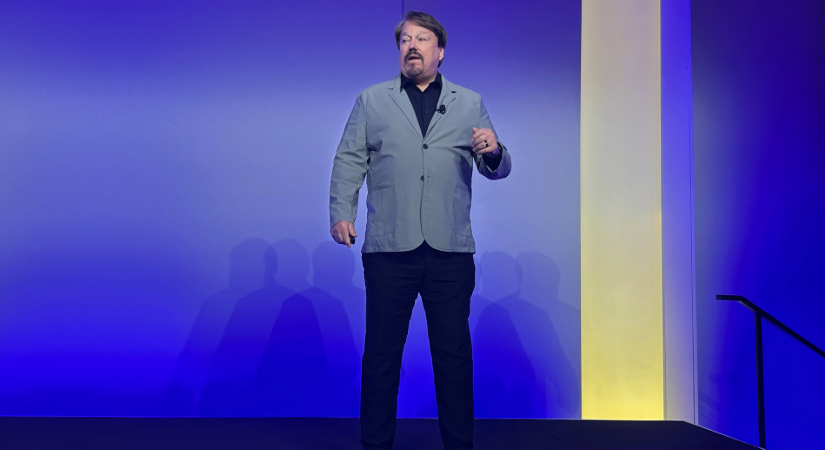
Presented by Jeffrey Hewitt, Vice President Analyst, Gartner
I&O leaders have little time, skills and budget to track emerging trends and the full impact of those on infrastructure and operations. In this session, Jeffrey Hewitt, Vice President Analyst at Gartner, showcased how I&O leaders can identify which of the top infrastructure and operational trends are most likely to impact their organization, and how to implement effective tactics to respond.
Key Takeaways
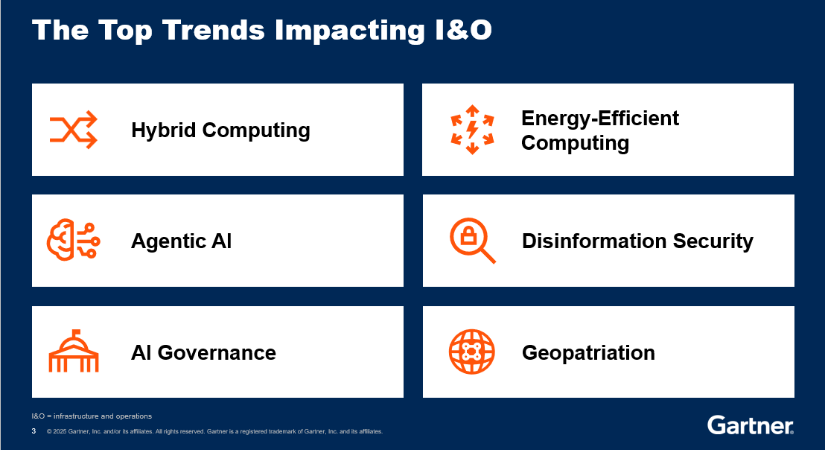
“The top trends impacting I&O over the next 12 to 18 months are: hybrid computing, energy-efficient computing, agentic AI, disinformation security, AI governance, and geopatriation.”
“Not all of these trends must be adapted to right away, but you’ll need to be aware of them so that you can prepare as an organization. A number of these trends are interconnected, such as the importance of guardrails and ensuring the integrity and ethics of AI.”
“Within the last 24 months, 68% of organizations either increased or significantly increased I&O control of infrastructure.”
“I&O leaders are probably curious as to what they can do to get early benefits out of some of these trends. They’ll want to identify the skills that are required, collaborate with HR, and create a strategic plan over the next 12 months.”
Learn more in the Gartner press release "Gartner Identifies the Top Trends Impacting Infrastructure and Operations for 2026."
How World-Class Organizations Defend AI Risks
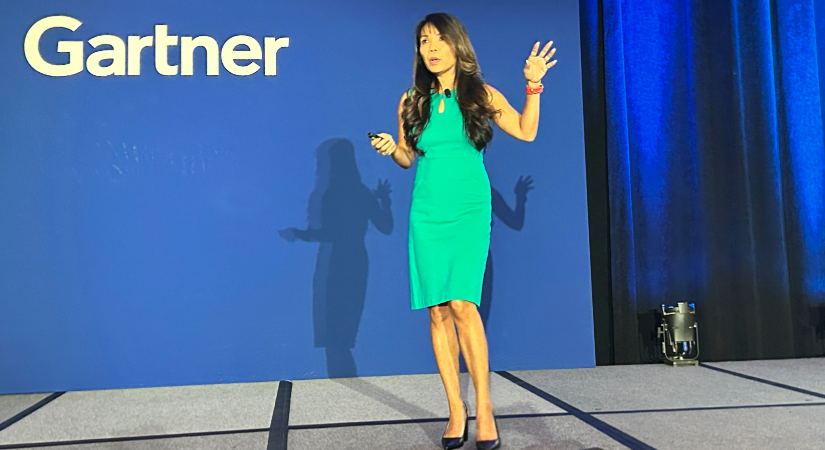
Presented by Marissa Schmidt, Sr. Director Analyst, Gartner
Organizations around the world are adopting AI for business transformation and plan to purchase security tools for AI risk mitigation. In this session, Marissa Schmidt, Sr. Director Analyst at Gartner, discussed the best practices for I&O leaders to effectively defend against AI risks and identify the right tools for investment.

Key Takeaways
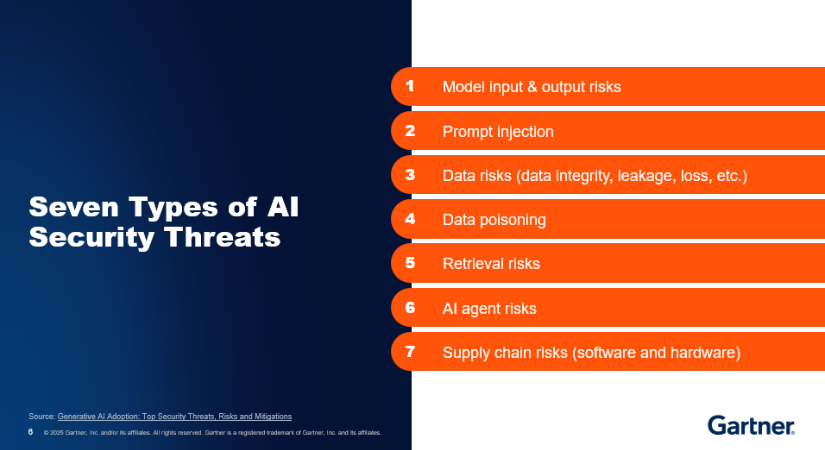
- “There are seven types of AI security threats that I&O leaders must be aware of. These include model input and output risks, prompt injection, data risks, data poisoning, retrieval risks, AI agent risks and supply chain risks.”
- “AI security threats are the root cause of AI risks, both of which can result in rule violations. With reputational or financial loss and sensitive data leakage as the most significant risks.”
- “AI risk assessment is a team effort to determine the organization’s impact levels to create the best defense or budget heatmap.”
- “Integrate Gartner’s AI TRiSM to strengthen risk mitigation and expand security architecture, control, operation and governance to include GenAI and agentic AI use cases. Adopt a platformization approach.”
Journalists can receive additional information and/or request an interview with the Gartner expert by contacting Matt LoDolce at matt.lodolce@gartner.com.
Adopt Skills-Based Talent Management to Build a Resilient Tech Workforce
Presented by Mark Margevicius, VP Analyst, Gartner
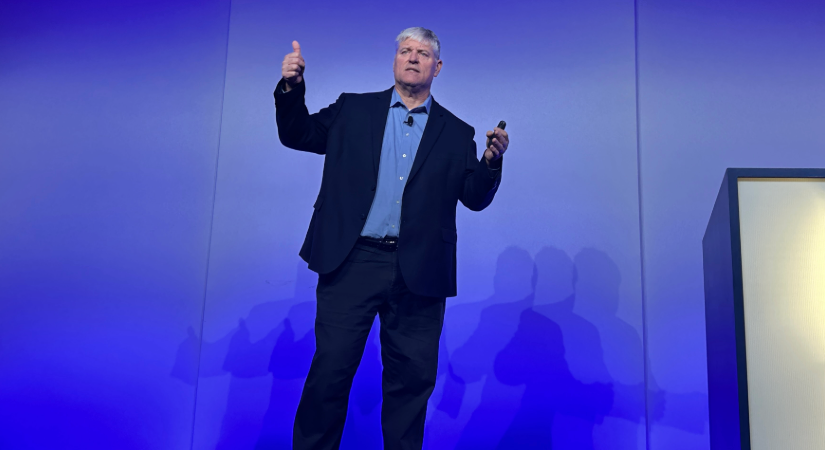
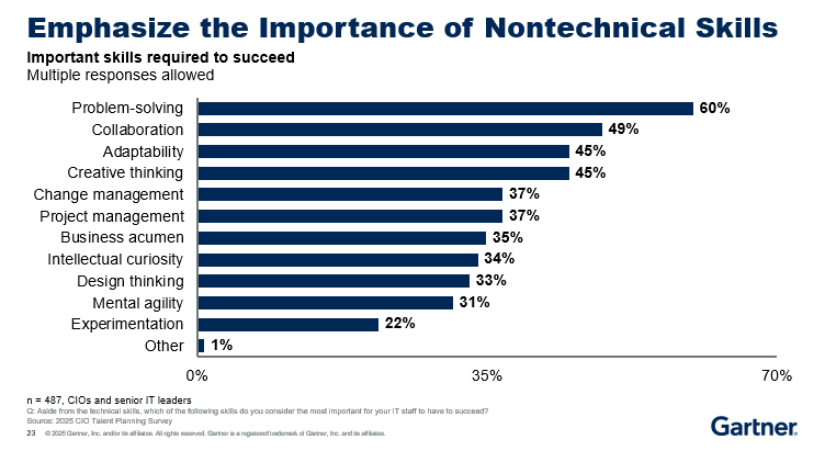
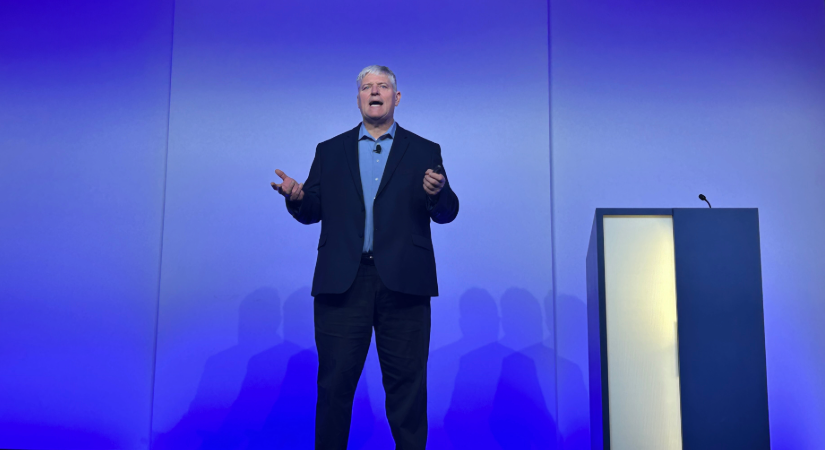
In today's talent landscape, CIOs and IT leaders must shift from traditional, job-based talent management to a dynamic, skills-based approach to build a more resilient workforce. In this session, Mark Margevicius, VP Analyst at Gartner, explored how to identify, assess and cultivate the skills the IT organization needs to thrive.
Key Takeaways
- “53% of IT leaders say that if they can’t fill the skills gap for generative AI in their organization, there will be a major or severely negative impact on their business priorities.”
- “I&O leaders need to avoid just blind rehiring to backfill a job opening on the team, especially blind rehiring for skills that might already exist within the team. Instead, they need to hire for skill gaps on teams.”
- “I&O leaders must adopt an ‘open talent economy’, where they deconstruct some of their roles, jobs and projects into tasks and skills. Start by asking, what is the work that needs to be done? What are the tasks?”
- “The number one benefit of a skills-based talent management approach is productivity, followed by workforce agility/flexibility.”
- “A skills-based organization unlocks collective, not just individual, potential of the workforce.”
Journalists can receive additional information and/or request an interview with the Gartner expert by contacting Matt LoDolce at matt.lodolce@gartner.com.
That's a wrap. See you next year!
Media contact
Matt LoDolce
Gartner
matt.lodolce@gartner.com
Meghan Moran
Gartner
meghan.moran@gartner.com


Latest releases
About Gartner
Gartner (NYSE: IT) delivers actionable, objective business and technology insights that drive smarter decisions and stronger performance on an organization’s mission-critical priorities. To learn more, visit gartner.com.